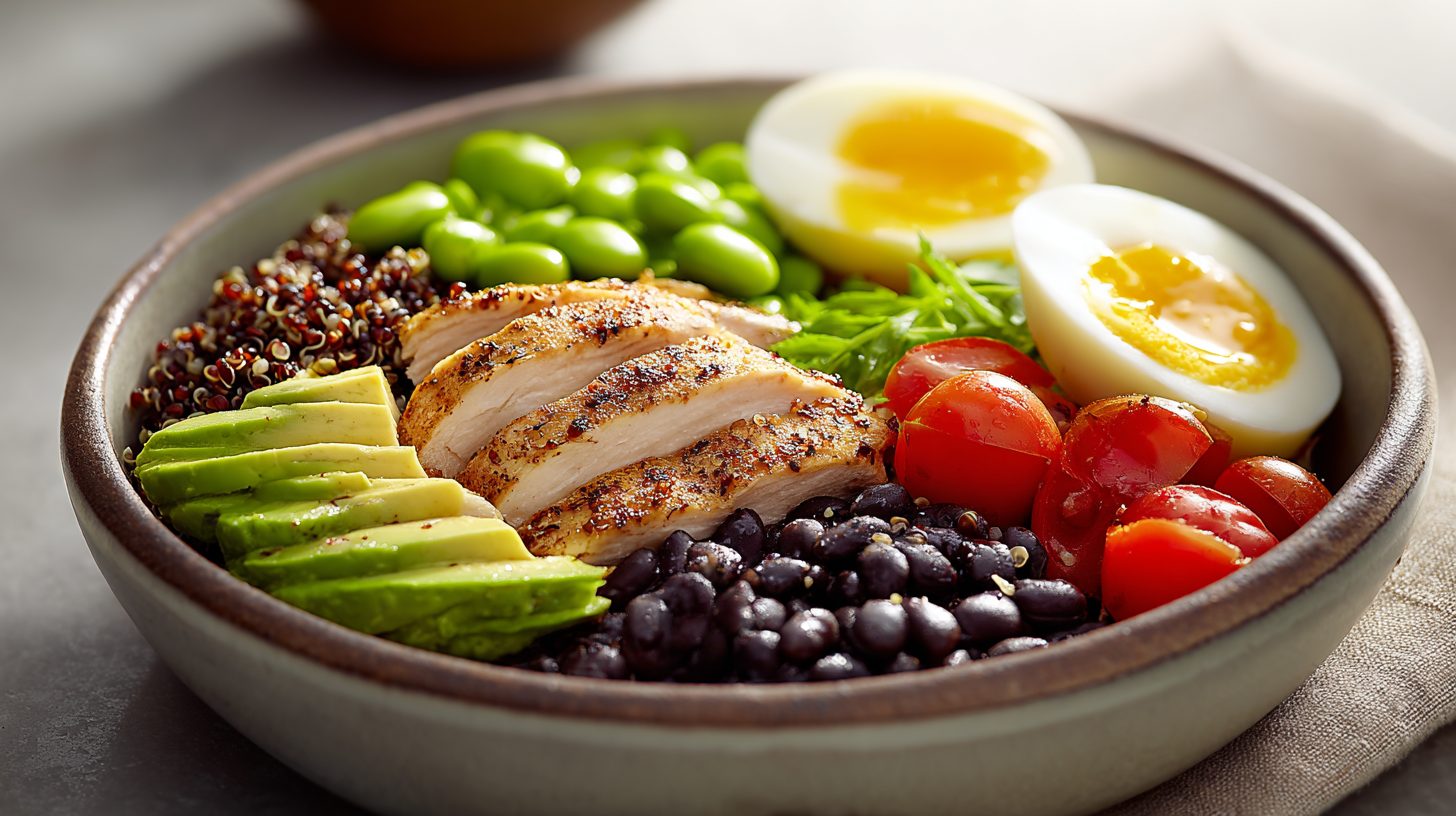
High-Protein, High-Fiber Foods and Meals (Ranked)
Most “high protein” advice sends you to chicken, eggs and whey — all of which contain zero fiber. Most “high fiber” advice sends you to oats and fruit, which carry very little protein. Chase both separately and you end up eating twice as much to hit two targets.
A small group of foods does both at once, and one of them is not close: a cup of cooked lentils is 15.6g of fiber and 17.9g of protein. That is over half a day’s fiber and a third of most people’s protein, from one ingredient that costs about a dollar.
The short version
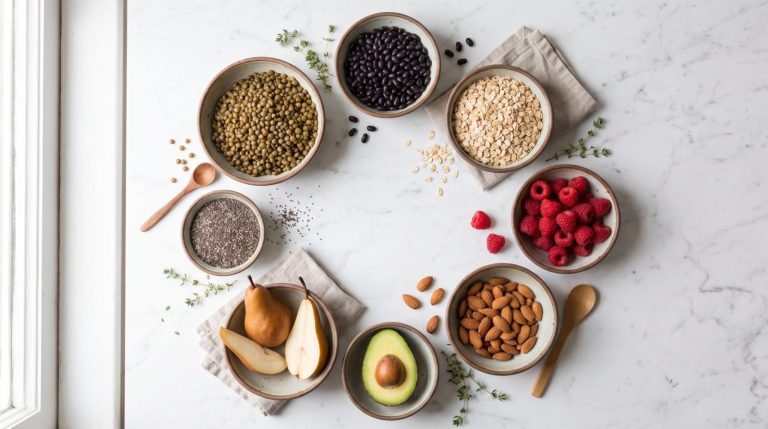
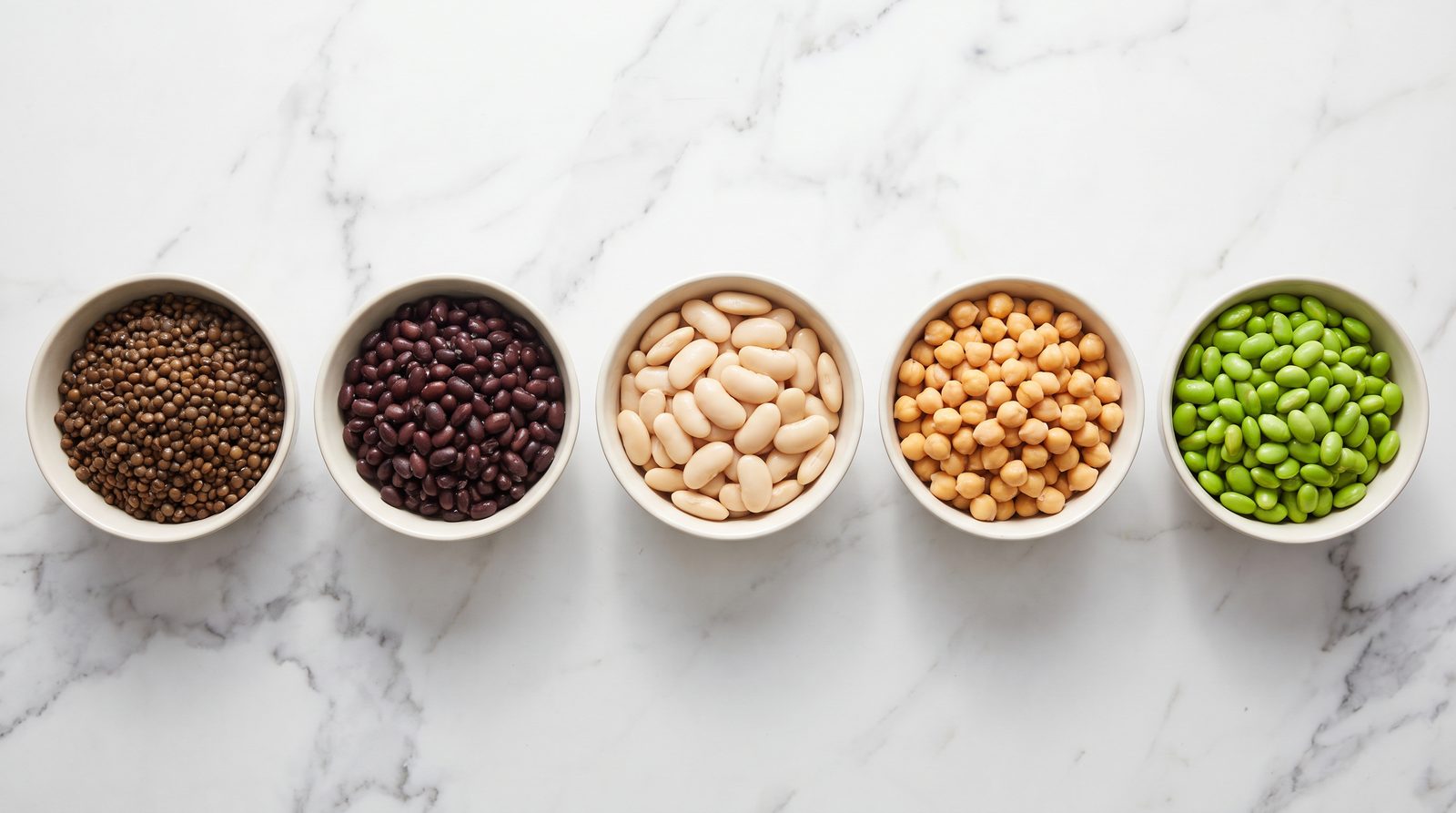
- Legumes win outright — lentils, black beans, white beans and chickpeas all clear 12g of each
- Animal protein has no fiber at all; that is the gap these foods fill
- Fiber slows digestion and protein blunts hunger — together they are why these meals hold
- USDA figures, per real portion, ranked below
The foods that do both, ranked
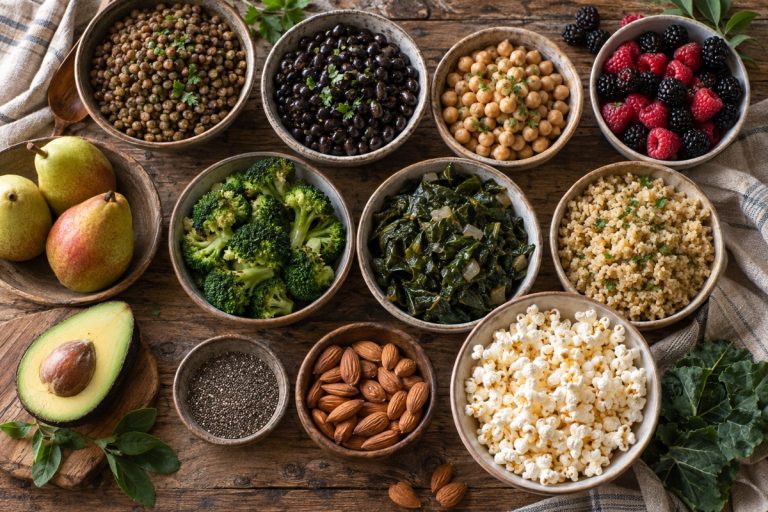
Sorted by fiber plus protein combined, per a portion you would actually eat.
| Food | Portion | Fiber | Protein | Combined |
|---|---|---|---|---|
| Lentils, cooked | 1 cup | 15.6g | 17.9g | 33.5g |
| Black beans, cooked | 1 cup | 15.0g | 15.2g | 30.2g |
| White beans, cooked | 1 cup | 11.3g | 17.4g | 28.7g |
| Chickpeas, cooked | 1 cup | 12.5g | 14.5g | 27.0g |
| Edamame | 1 cup | 8.1g | 18.5g | 26.6g |
| Green peas | 1 cup | 7.2g | 8.2g | 15.4g |
| Quinoa, cooked | 1 cup | 5.2g | 8.1g | 13.3g |
| Chia seeds | 2 tbsp | 8.3g | 4.0g | 12.3g |
| Pumpkin seeds | 1 oz | 1.8g | 8.4g | 10.2g |
| Almond butter | 2 tbsp | 3.3g | 6.7g | 10.0g |
| Almonds | 1 oz | 3.5g | 5.9g | 9.4g |
| Oats, dry | ½ cup | 4.0g | 5.3g | 9.3g |
| Broccoli, cooked | 1 cup | 5.1g | 3.7g | 8.8g |
| Peanut butter | 2 tbsp | 1.6g | 7.1g | 8.7g |
The top five are all legumes, and the drop after them is steep. Everything below quinoa is a useful addition to a meal; the top five can be the meal.
Worth noting what is absent: chicken breast, salmon, eggs, Greek yogurt, whey. All excellent protein, all exactly 0g of fiber. They are not competitors to this list — they are what you pair with it.
Why the pairing works
Protein and fiber suppress appetite through different mechanisms, which is why the combination outperforms either alone.
Protein is the most satiating macronutrient gram for gram and triggers the hormonal signals that end a meal. Soluble fiber slows how quickly the stomach empties and blunts the blood-sugar rise that drives the crash two hours later. One works during the meal, the other works after it.
This is also why the pairing gets recommended on GLP-1 medication, where appetite is already reduced and every bite has to carry more nutrition — covered in GLP-1 friendly meals.
Meals built on the top five
Breakfast
- Cottage cheese with chia and berries — 11g fiber, 24g protein. Cottage cheese has no fiber at all, which makes it a perfect base: everything added is gain. Five variations.
- Black bean scramble — 8g fiber, 20g protein. Eggs with half a cup of black beans folded through.
- The 25g smoothie with Greek yogurt — 25g fiber, 25g protein. Recipe and the anti-grit trick.
Lunch and dinner
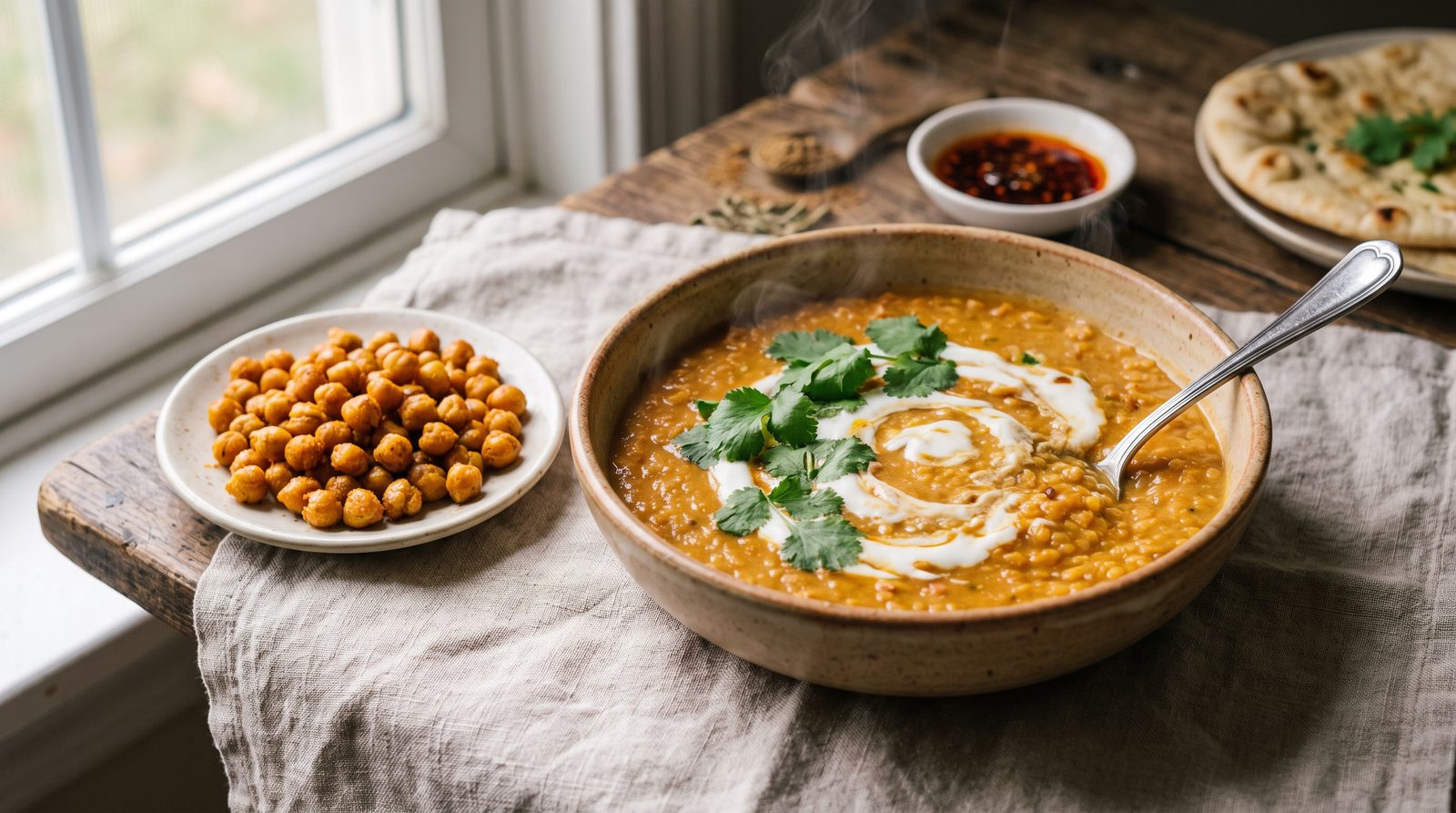
- Red lentil dal — 15g fiber, 14g protein. One pot, pantry ingredients. Recipe.
- Marry me chickpeas — 12g fiber, 20g protein. The viral chicken dish, rebuilt so it feeds you. Recipe.
- Chickpea pasta e ceci — 14g fiber, 19g protein. Recipe.
- White bean and spinach skillet — 12g fiber, 15g protein. Recipe.
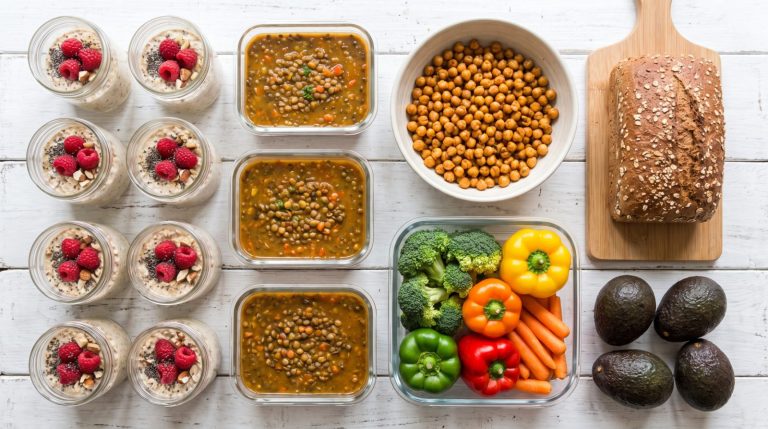
- Barley and chickpea prep boxes — 14–19g fiber. Five lunches from three components, assembled in four minutes each morning. The system.
Snacks
- Crispy roasted chickpeas — 6g fiber, 7g protein. Recipe.
- Edamame, straight from the pod — 8g fiber, 18g protein per cup. The highest-protein snack on this page and it needs a microwave.
- Pumpkin seeds — 1.8g fiber, 8.4g protein per ounce. More in high-protein, high-fiber snacks.
Frequently asked questions
Which single food has the most protein and fiber?
Cooked lentils — 15.6g of fiber and 17.9g of protein per cup, more of both than anything else here. Edamame beats them on protein alone (18.5g) but carries half the fiber.
Is plant protein as good as meat protein?
For most people eating a varied diet, the practical difference is smaller than the argument suggests. Legumes are lower in some essential amino acids than meat or eggs, but eating them alongside grains, seeds or any animal protein across the day covers it. The relevant point for this page: legumes bring fiber that meat cannot, and meat brings a protein profile legumes do not — there is no reason to pick a side.
How much of each should I aim for?
Fiber has a clear published target — 25g a day for women, 38g for men, against an average intake of about 17g. Protein targets vary far more by body size and activity, so a single number would be misleading here. A meal built on any of the top five foods lands you meaningfully closer on both without needing to track either.
Will beans every day cause bloating?
At first, often yes — legumes are highly fermentable and that is where the gas comes from. It generally settles within a couple of weeks as your gut adapts, and it scales with how fast you increase rather than the final amount. Rinsing tinned beans well helps. Build up gradually and drink water alongside; Fibermaxxing 101 covers the ramp.
What about protein powder with added fiber?
It works and it is convenient, but the added fiber is usually a single isolated type — often inulin or chicory root, which is the kind most people tolerate worst. Whole foods bring several fiber types plus the minerals attached. Use a powder to fill a gap, not as the plan.
If you are managing carbohydrate as well, most of the top five are too starchy — the ranking that works there is high-fiber, low-carb foods. For everything else, 25 high-fiber dinner ideas and fiber questions, answered.
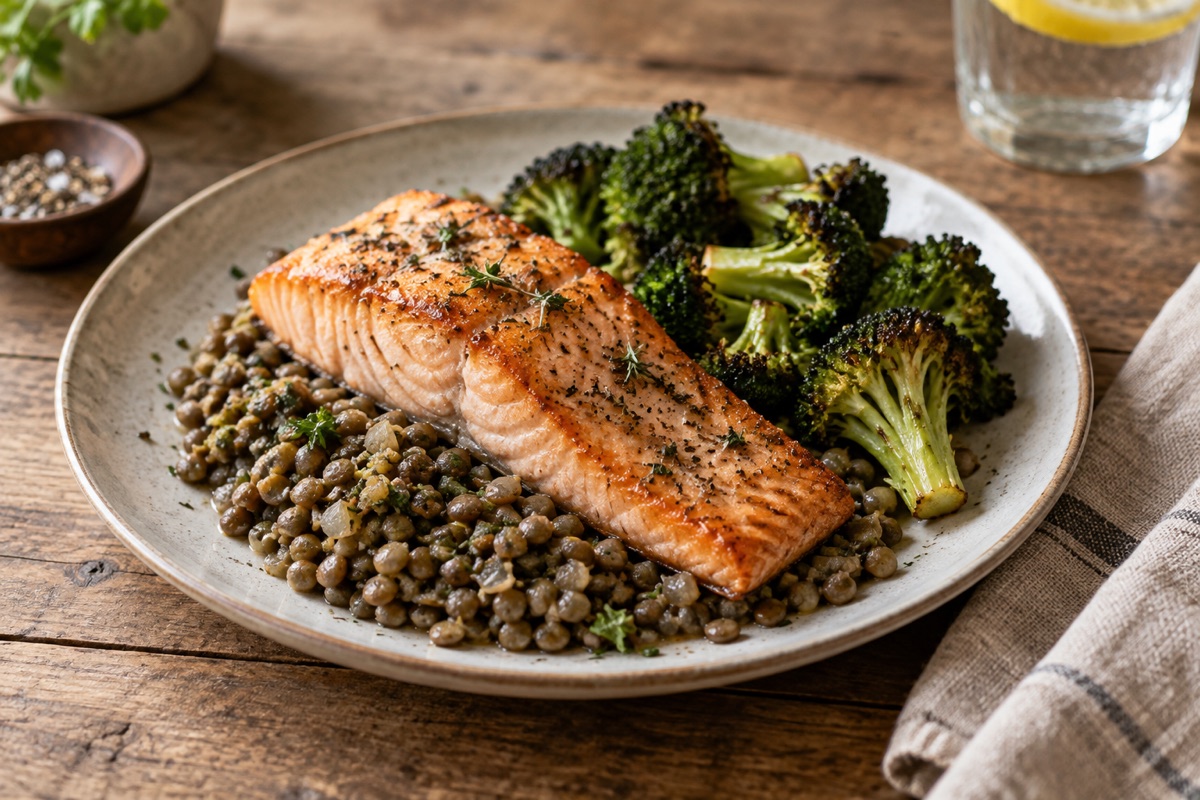
If you eat meat, the easiest route to both numbers at once is a chicken dinner built around pulses — 41 to 46g of protein a serving, with the fiber coming entirely from what sits beside the chicken.
For a single ingredient that does both jobs, the bean ranking puts cooked lentils at 15.6 grams of fiber and 17.9 of protein a cup, and soybeans at 31.3 grams of protein.
Breakfast is the hardest meal to get both into; the high-fiber, high-protein breakfast guide has seven combinations that do it in five minutes.
Get the free Fibermaxxing Starter Kit
A 7-day plan, 5 tested recipes & a fridge cheat sheet — straight to your inbox.
No spam, just recipes. Unsubscribe anytime.

Emma Hartwell
Emma Hartwell is the home cook and recipe developer behind Fiber & Fork. After years of dealing with sluggish digestion and endless afternoon energy crashes, she rebuilt her kitchen around one simple idea: hit 30 grams of fiber a day without eating a single boring meal. Every recipe on this site is cooked, photographed, and taste-tested in her own kitchen — beans, lentils, whole grains, and vegetables turned into food you'll actually crave. When she's not stirring a pot of something cozy, Emma is testing new ways to sneak fiber into desserts her family can't tell apart from the 'real thing'.