What 30 Grams of Fiber a Day Actually Looks Like (3 Real Days)
“Eat 30 grams of fiber a day” is easy advice to give and surprisingly hard to picture. What does it actually look like on a plate? This guide shows you exactly — three real, full days that each hit 30+ grams, plus the simple swaps and a cheat sheet so you can build your own without a spreadsheet.
The short version
- 30g is the practical daily target; the average person eats 12–15g
- It’s roughly 10g per meal — very doable once you see it
- Beans, lentils, chia, raspberries and whole grains do the heavy lifting
- Ramp up slowly and drink water to avoid bloating
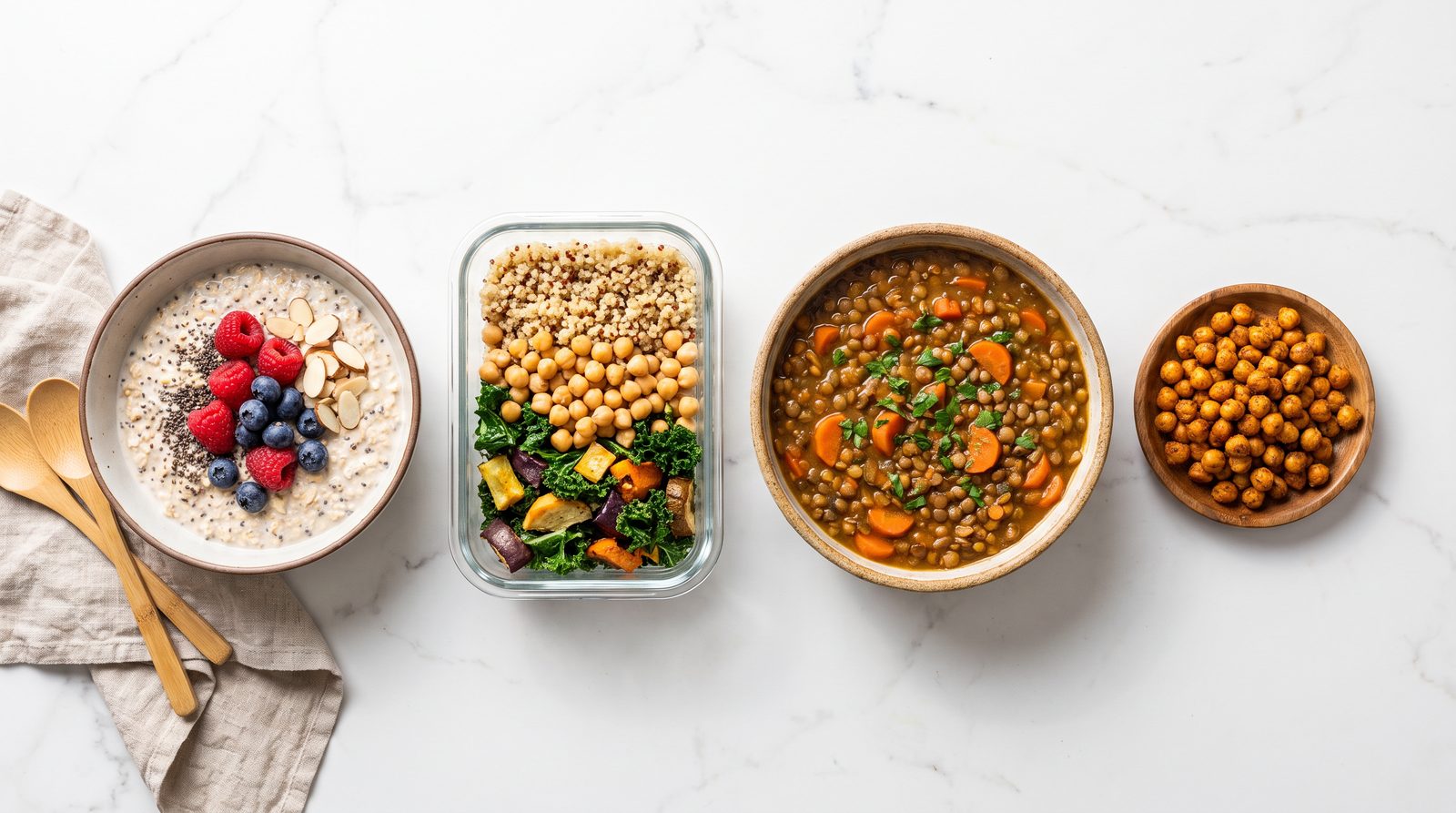
How much is 30 grams, really?
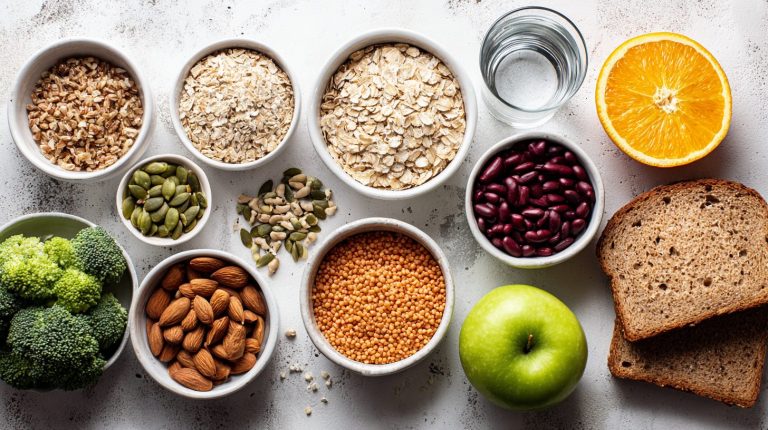
It sounds like a lot until you break it into meals: about 10 grams at breakfast, lunch and dinner, with snacks filling any gap. And a few foods carry outsized weight — a cup of lentils is 15g, two tablespoons of chia is 10g, a cup of raspberries is 8g. Get one “hero” fiber food into each meal and you’re most of the way there before you count anything else.
Day 1 — the easy default (32g)
- Breakfast: Raspberry chia overnight oats — 15g
- Lunch: Turkey sandwich on real whole grain bread + an apple — 8g
- Snack: A handful of almonds — 3g
- Dinner: White bean & spinach skillet — 12g (minus a little, rounding to ~6g for a smaller portion)
Half your day’s fiber is done before 9am. That’s the whole trick — front-load breakfast.
Day 2 — the bean-lover’s day (35g)
- Breakfast: Avocado toast on whole grain + an orange — 11g
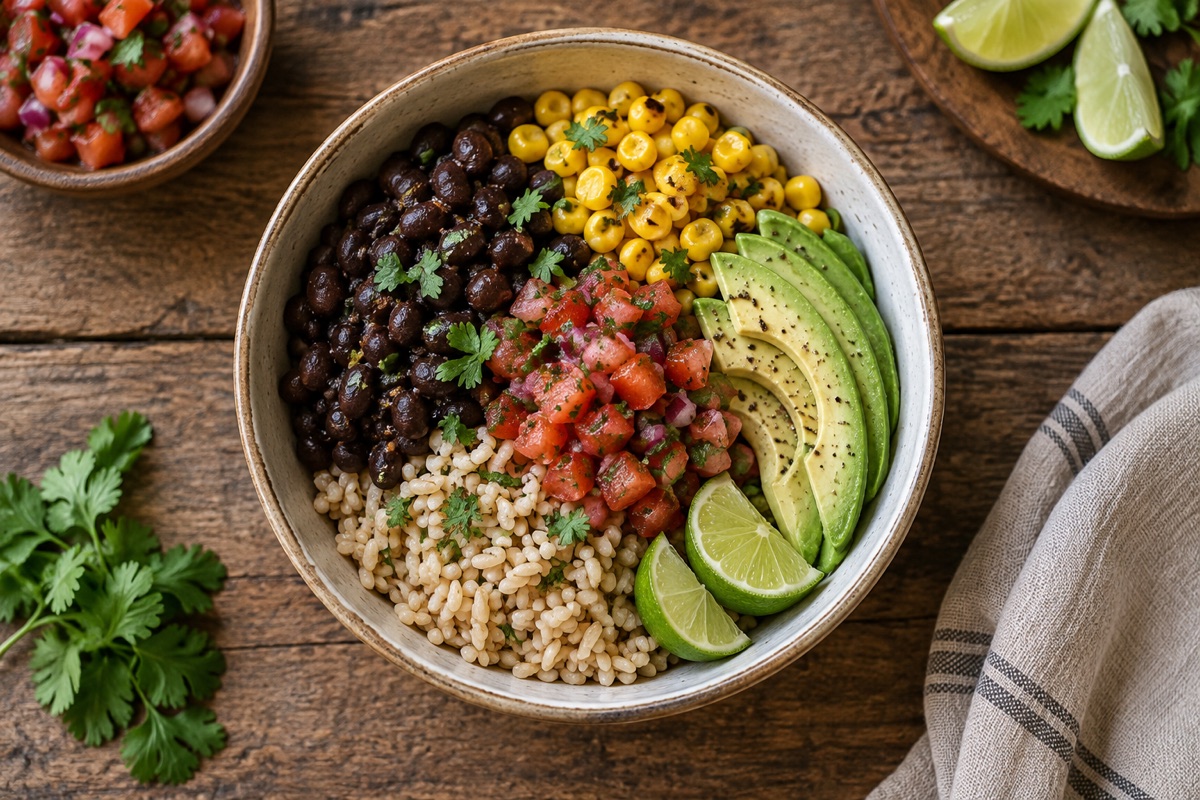
- Lunch: Black bean & quinoa burrito bowl — 16g
- Snack: Roasted chickpeas — 6g
- Dinner: Leftover burrito bowl or a simple bean soup — 8g
Day 3 — the comfort-food day (34g)
- Breakfast: Chocolate PB chia pudding — 14g
- Lunch: Lentil soup with whole grain bread — 14g
- Dinner: Chickpea pasta e ceci — small bowl, ~6g
The 30-gram cheat sheet
Memorize these and you can build any day:
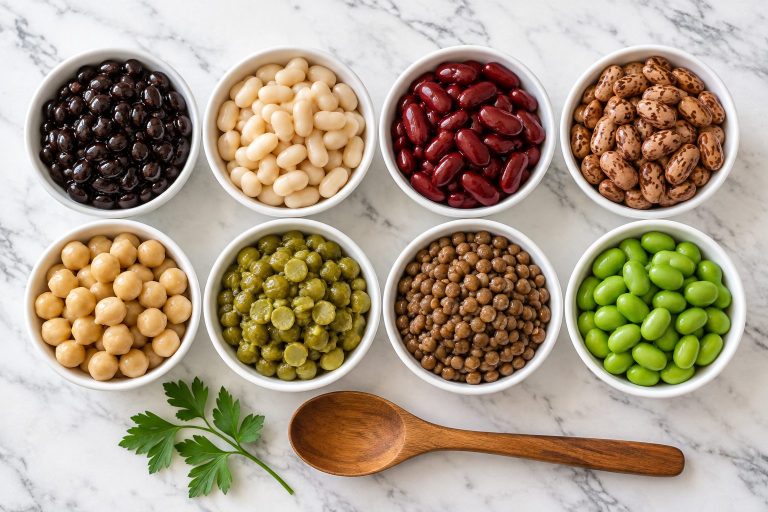
- Lentils — 15g per cooked cup
- Black beans / chickpeas — 12–15g per cup
- Chia seeds — 10g per 2 tbsp
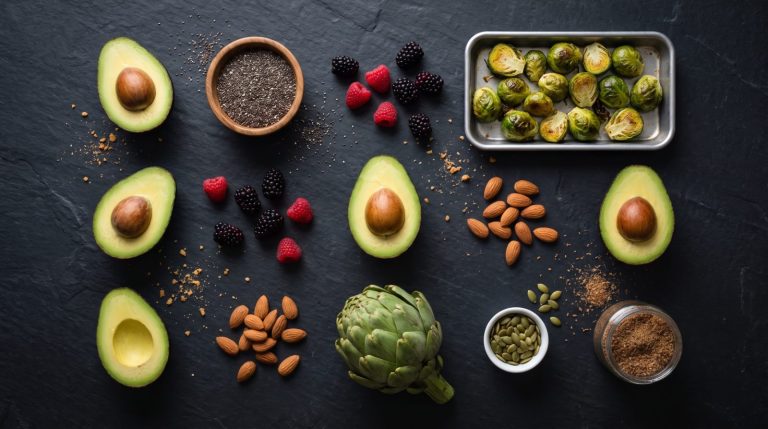
- Avocado — 10g per whole fruit
- Raspberries — 8g per cup
- Whole grain bread — 4g+ per slice (check the label)
- Oats — 4g per half-cup dry
- Apple or pear with skin — 5–6g each
The three swaps that add 15g without a single new recipe
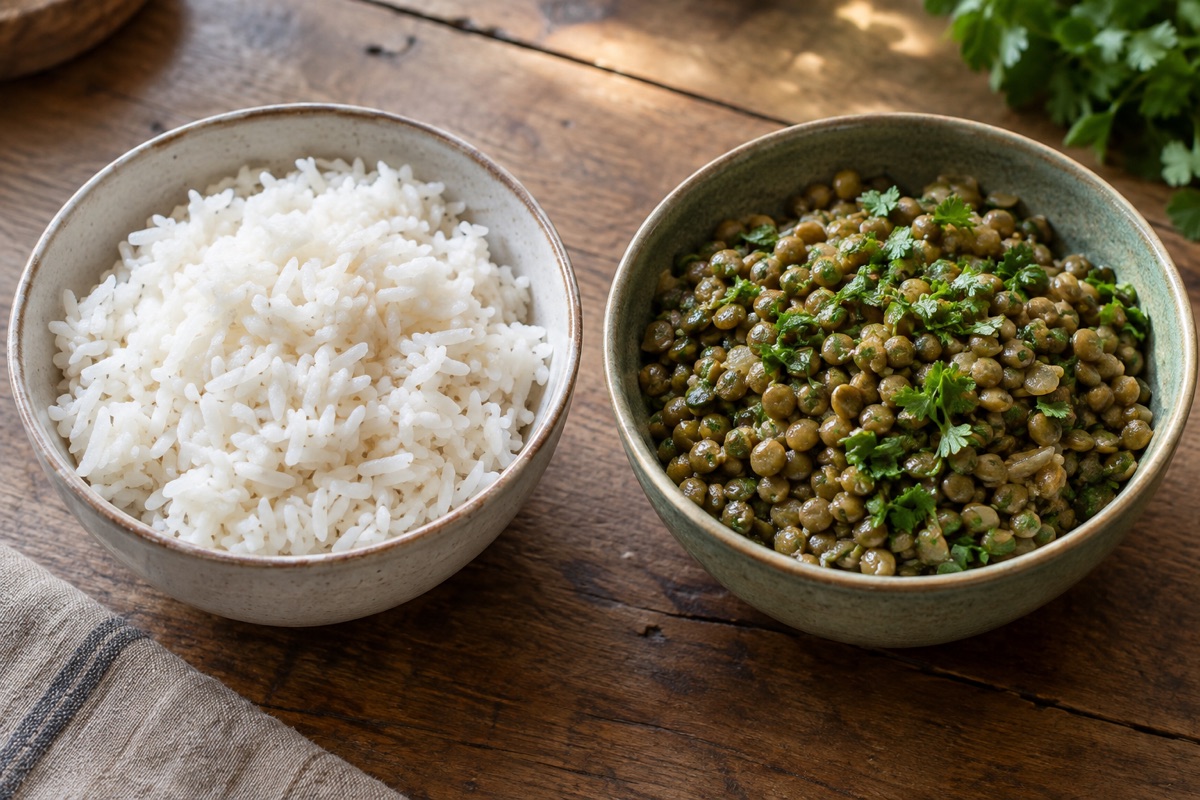
- Brown rice / whole wheat pasta instead of white — +4g per meal
- Half a can of beans tipped into any soup, salad or pasta — +6g
- A tablespoon of chia in your yogurt or smoothie — +5g
If your target is not 30
Thirty is a round number that sits between the official figures — 25g a day for women and 38g for men under 50, dropping to 21g and 30g after that. Most people should aim at their own number rather than the internet’s.
The good news is that the days on this page scale in one move rather than needing a rewrite.
| Target | Who that is | How to get there from a 30g day |
|---|---|---|
| 21g | Women 51+ | Drop the afternoon snack and use ½ cup of legumes at dinner instead of a full cup |
| 25g | Women under 50 | Halve the seeds at breakfast — that is about 5g |
| 30g | Men 51+, common general target | The days above as written |
| 38g | Men under 50 | Add 2 tbsp of chia to breakfast (+8.3g) — nothing else changes |
| 40g+ | Deliberate fibermaxxing | Add a cup of raspberries (+8g) on top of the 38g version |
Notice that the whole 25-to-38 range is two tablespoons of chia apart. That is why the seeds keep appearing on this site — they are the one lever that moves a day’s total without changing what you cook.
Wherever you are aiming, the number that matters most is the one you start from. The average adult eats about 17g, so going from there to 25g is a bigger change than going from 30g to 40g, and it is where nearly all of the benefit sits. Do not jump straight to the top row — Fibermaxxing 101 covers the ramp, and too much fiber symptoms covers what happens if you ignore it.
Frequently asked questions
Is 30 grams of fiber a day too much?
For most healthy adults, 30 grams is right in the recommended range (25g for women, 38g for men). It only feels like a lot because most people start from 12–15g. Increase gradually and it’s very comfortable.
How long until I notice a difference?
Many people notice steadier energy and better fullness within a few days, and digestive benefits within a week or two. Give it two weeks before you judge it.
What if I get bloated?
Back off slightly and build up more slowly — add about 5 grams per week rather than jumping to 30 overnight — and drink more water. Full details in Fibermaxxing 101. If you have a digestive condition, check with your doctor first (disclaimer).
Do supplements count toward 30 grams?
They can help fill a gap, but whole foods bring vitamins, minerals and a variety of fiber types a supplement can’t. Aim to get most of your 30 grams from food. Want a full week mapped out? See the 7-day meal plan, and for the supplement question in more depth — plus the other questions people ask most — see fiber questions, answered.
To build your own 30-gram day, pick from the high-fiber foods list — fifty foods with the grams for a normal portion.
Get the free Fibermaxxing Starter Kit
A 7-day plan, 5 tested recipes & a fridge cheat sheet — straight to your inbox.
No spam, just recipes. Unsubscribe anytime.

Emma Hartwell
Emma Hartwell is the home cook and recipe developer behind Fiber & Fork. After years of dealing with sluggish digestion and endless afternoon energy crashes, she rebuilt her kitchen around one simple idea: hit 30 grams of fiber a day without eating a single boring meal. Every recipe on this site is cooked, photographed, and taste-tested in her own kitchen — beans, lentils, whole grains, and vegetables turned into food you'll actually crave. When she's not stirring a pot of something cozy, Emma is testing new ways to sneak fiber into desserts her family can't tell apart from the 'real thing'.