Fibermaxxing on a Budget: 30 Grams a Day for Under $3
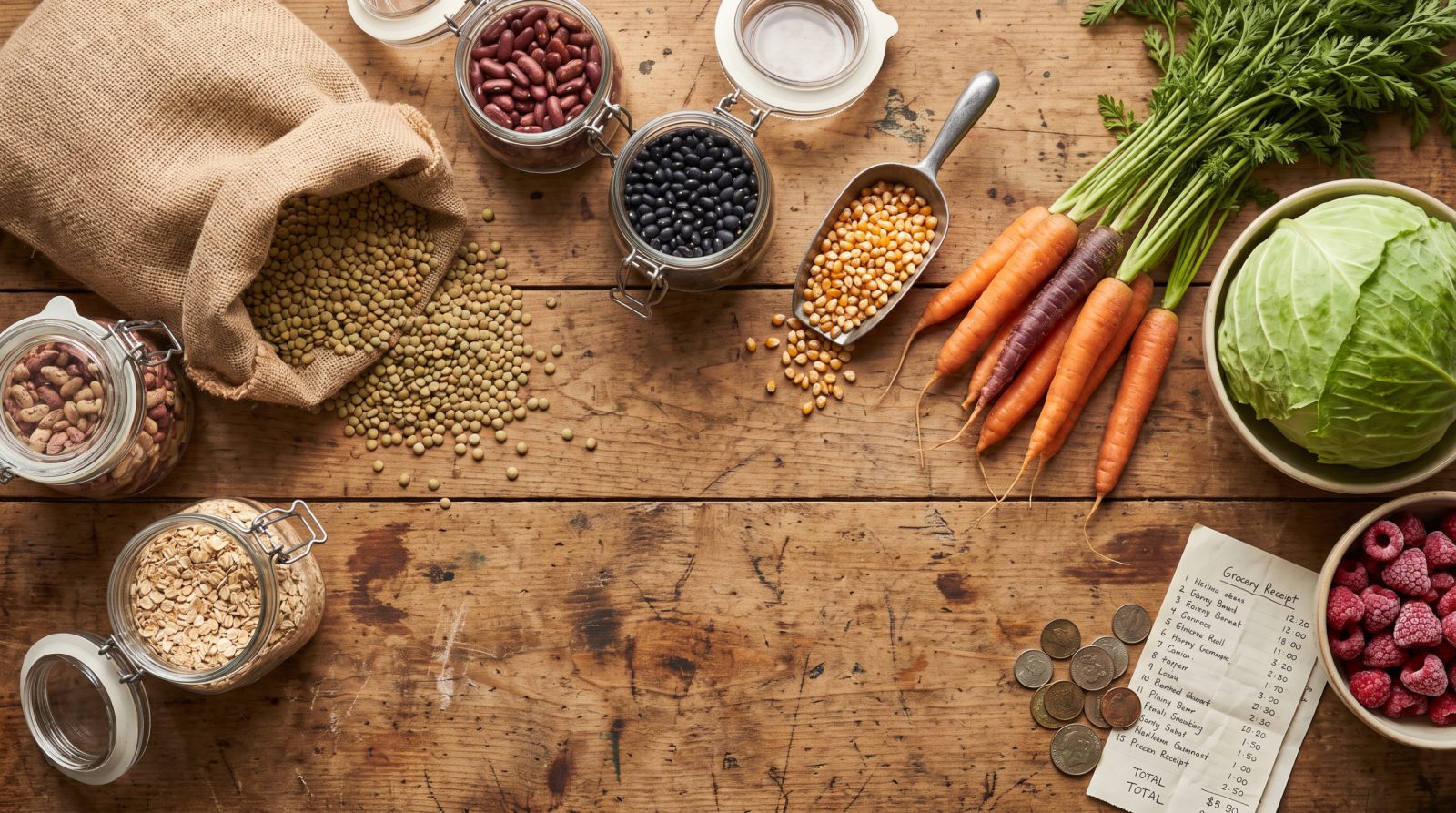
Here’s the best-kept secret in nutrition: fiber is the cheapest nutrient in the store. While protein trends push $15 powders and wellness culture sells $12 smoothies, the highest-fiber foods on earth are sitting in the dried-goods aisle costing about a dollar a pound. This guide builds a full day of fibermaxxing — 30+ grams — for under $3, with a shopping list that stretches across weeks.
The budget fiber all-stars (cost per 10g of fiber)
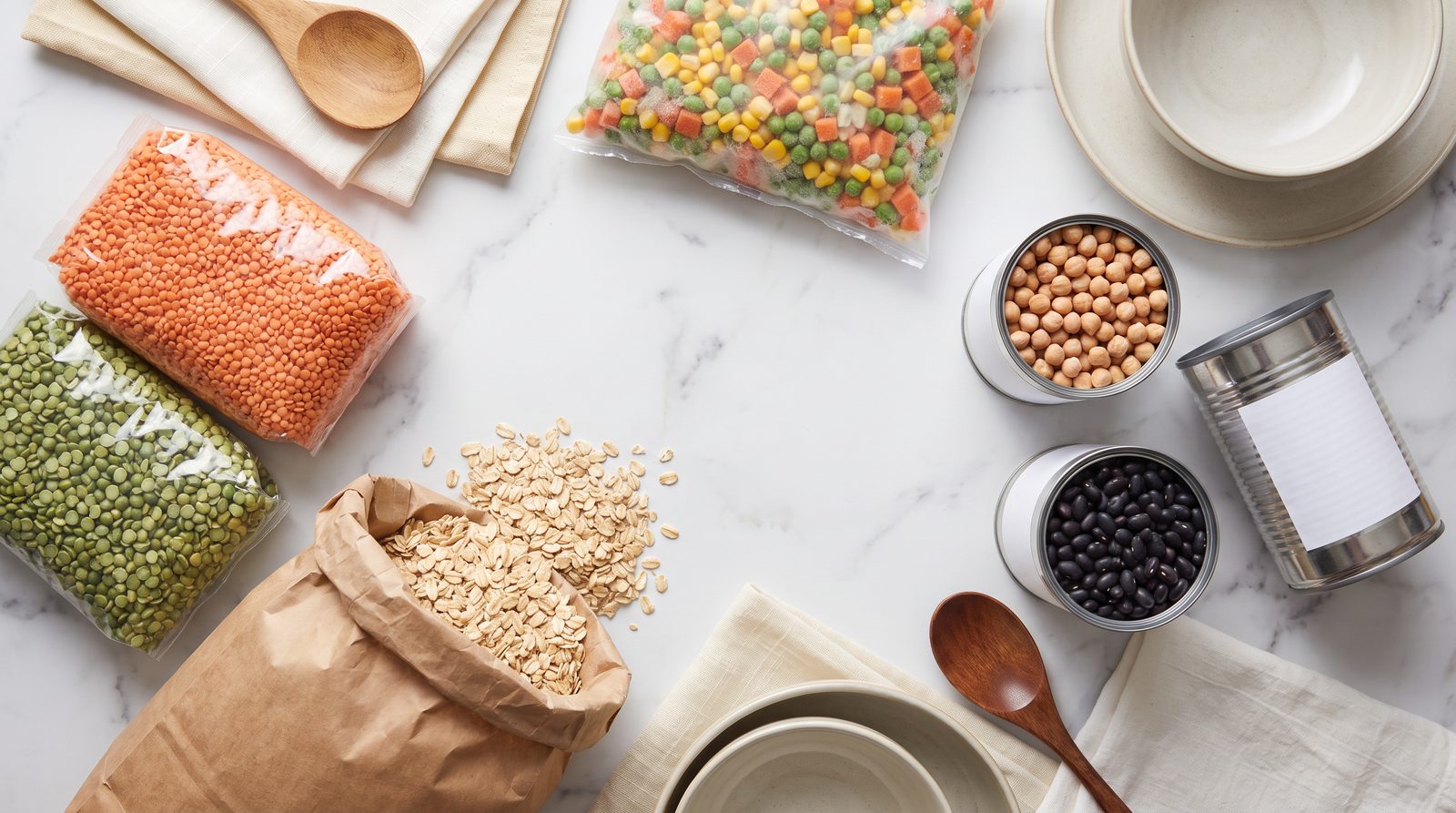
- Dried lentils — ~$1.50/lb, 15g fiber per cooked cup. Cost per 10g of fiber: about 25 cents. Nothing beats this.
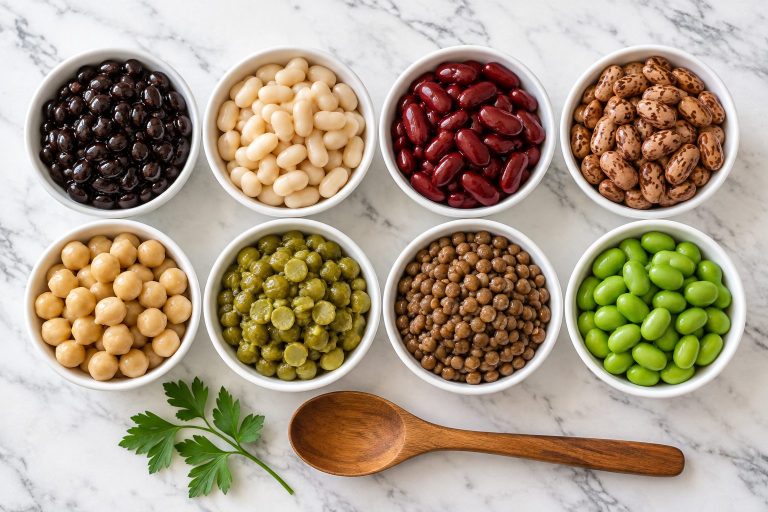
- Dried beans (any) — ~$1.50/lb, 12–15g per cooked cup. ~30 cents per 10g.
- Canned beans — ~$1 a can, 12g per can. Costlier than dried, still absurdly cheap, zero planning required.
- Rolled oats — ~$3 for a big canister, 4g per half-cup. ~40 cents per 10g.
- Popcorn kernels — ~$2/lb, 4g per 3 cups popped. The cheapest whole-grain snack that exists.
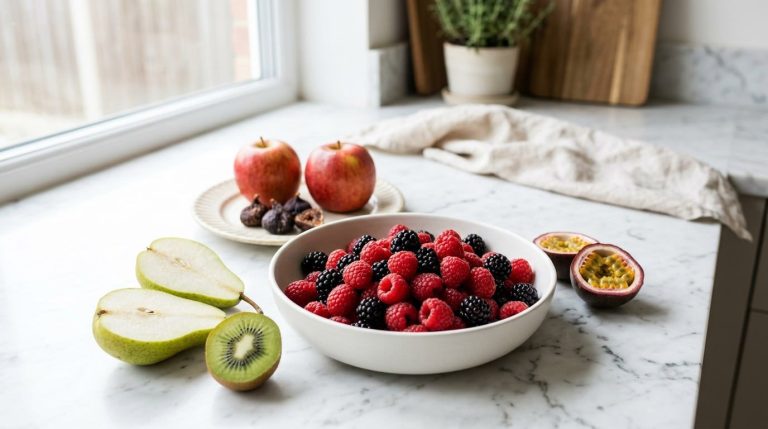
- Frozen raspberries — ~$3.50/bag, 8g per cup. Half the price of fresh, identical fiber.
- Carrots & cabbage — ~$1–2, the cheapest fresh vegetables per gram of fiber, and they last for weeks.
- Whole wheat flour — ~$2.50/bag; swap it into half of any baking and the fiber comes free.
A full 30-gram day for under $3
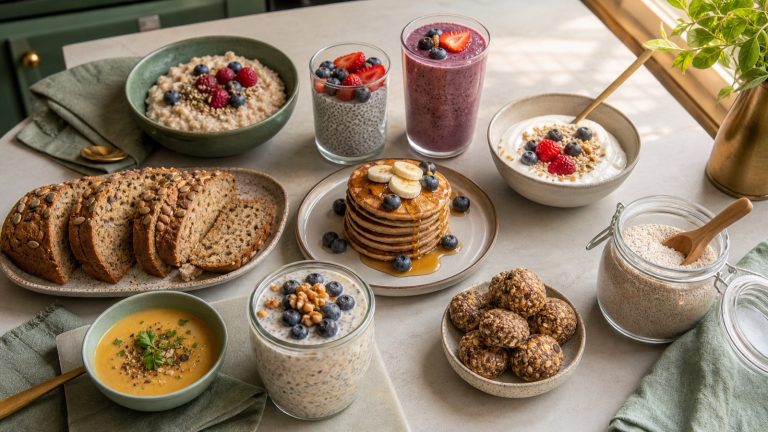
- Breakfast — oatmeal with frozen raspberries and peanut butter (~$0.70): 12g fiber
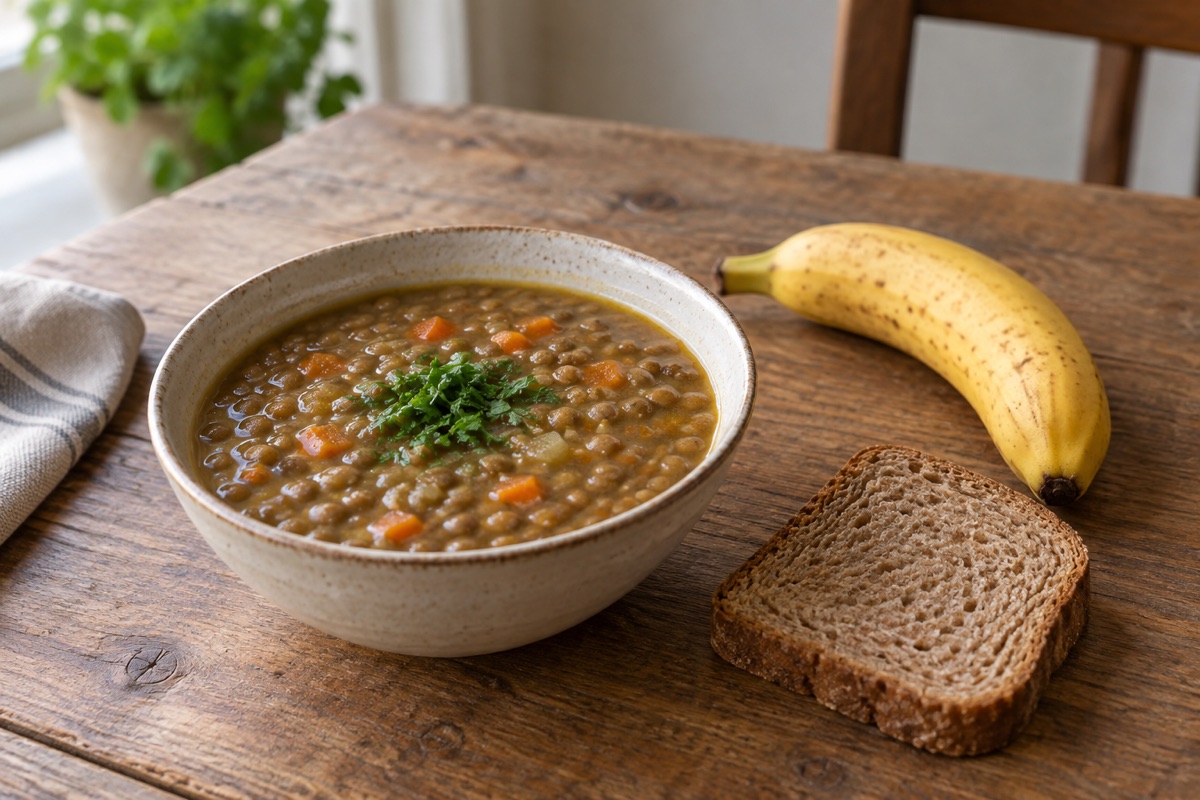
- Lunch — lentil soup with carrots and onion, big batch (~$0.80/bowl): 14g fiber
- Snack — popcorn, actual stovetop (~$0.15): 4g fiber
- Dinner contribution — half a cup of beans added to whatever’s cooking (~$0.50): 6g fiber
Total: 36 grams of fiber for about $2.15. The rest of dinner is whatever your household was eating anyway — the beans just crash the party.
Fiber per packet, which is how you actually buy it
Cost per gram of fiber is the honest way to compare, but you do not buy grams — you buy packets. So here is what a standard pack of each staple contains in total, from USDA values.
| Staple | Standard pack | Fiber in the whole pack |
|---|---|---|
| Dried split peas | 500g bag | 111g |
| Rolled oats | 1kg bag | 101g |
| Dried black beans | 500g bag | 78g |
| Ground flaxseed | 250g bag | 68g |
| Dried red lentils | 500g bag | 54g |
| Wholemeal bread | 1 loaf | 48g |
| Tinned black beans | 1 tin | 22g |
| Tinned chickpeas | 1 tin | 16g |
Look at the top and bottom of that list together. One bag of dried split peas carries more fiber than two loaves of bread, and costs a fraction of one. That single comparison is the whole argument of this page.
The dried-versus-tinned gap is the other thing worth seeing plainly. A 500g bag of dried black beans holds 78g of fiber against a tin’s 22g — roughly three and a half tins in one bag, for less than the price of one. Tins buy you convenience, and that is a fair trade on a weeknight; just do not let them be the only way you buy legumes.
Flaxseed looks expensive per bag and is not: 250g carries 68g of fiber and lasts most people a month at two tablespoons a day. Cost per use is pennies.
Three habits that keep it cheap
- The Sunday pot of lentils: one pound, one pot, 40 minutes — that’s lunch fiber for the whole week at about 80 cents a serving. (It anchors our 7-day meal plan too.)
- Frozen is not a compromise: frozen berries, spinach, and edamame match fresh for fiber at a fraction of the cost, with zero rot-in-the-drawer tax.
- Buy the store brand of boring things: oats are oats, beans are beans. Save the brand loyalty for chocolate.
What you don’t need
Fiber supplements (~$20/month for what lentils do better), “high-fiber” snack bars ($2 each for 4g and a sugar rush — compare our actually-good snack list), fiber sodas, and anything with “gut health” on the label at a markup. The dried-goods aisle was fibermaxxing before it had a name.
New to all this? The full strategy — how much fiber, which foods, how to ramp up without the bloat — is in Fibermaxxing 101. And when the budget allows a little flair, the high-fiber desserts are waiting.
Get the free Fibermaxxing Starter Kit
A 7-day plan, 5 tested recipes & a fridge cheat sheet — straight to your inbox.
No spam, just recipes. Unsubscribe anytime.

Emma Hartwell
Emma Hartwell is the home cook and recipe developer behind Fiber & Fork. After years of dealing with sluggish digestion and endless afternoon energy crashes, she rebuilt her kitchen around one simple idea: hit 30 grams of fiber a day without eating a single boring meal. Every recipe on this site is cooked, photographed, and taste-tested in her own kitchen — beans, lentils, whole grains, and vegetables turned into food you'll actually crave. When she's not stirring a pot of something cozy, Emma is testing new ways to sneak fiber into desserts her family can't tell apart from the 'real thing'.