Fiber and Cholesterol: How Much Lowers LDL, and Which Foods
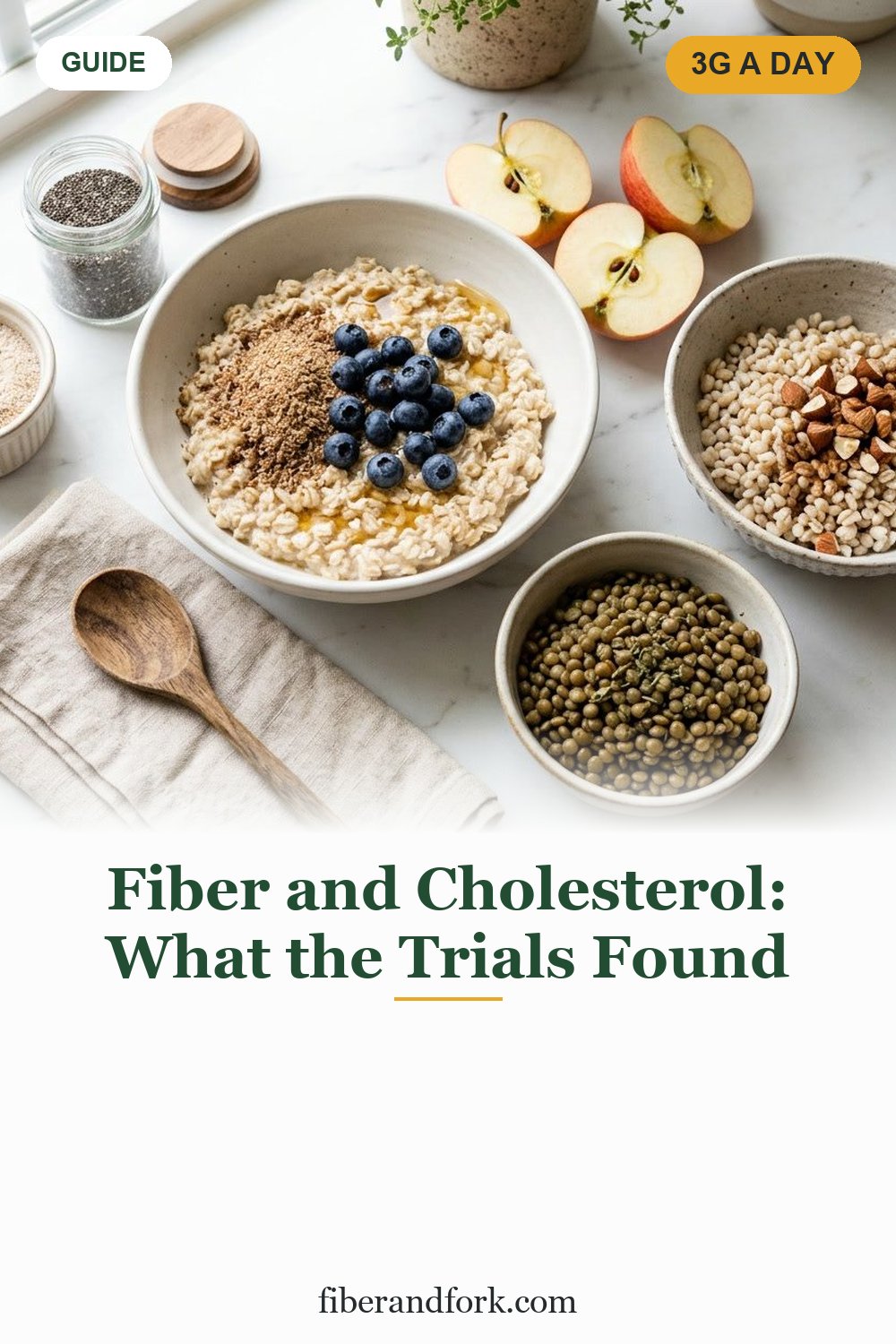
You start eating a bowl of oatmeal every morning for your cholesterol, get retested three months later, and the number has barely moved. It is tempting to decide fiber doesn’t work. Check the dose first. The oat trials used at least 3 grams of beta-glucan a day, and the classic worked example is three servings of oats, not one bowl.
Fiber does lower LDL cholesterol. The effect is real, measurable and modest, and it depends on the type of fiber and how much you eat. Here is what the trials found, in numbers.
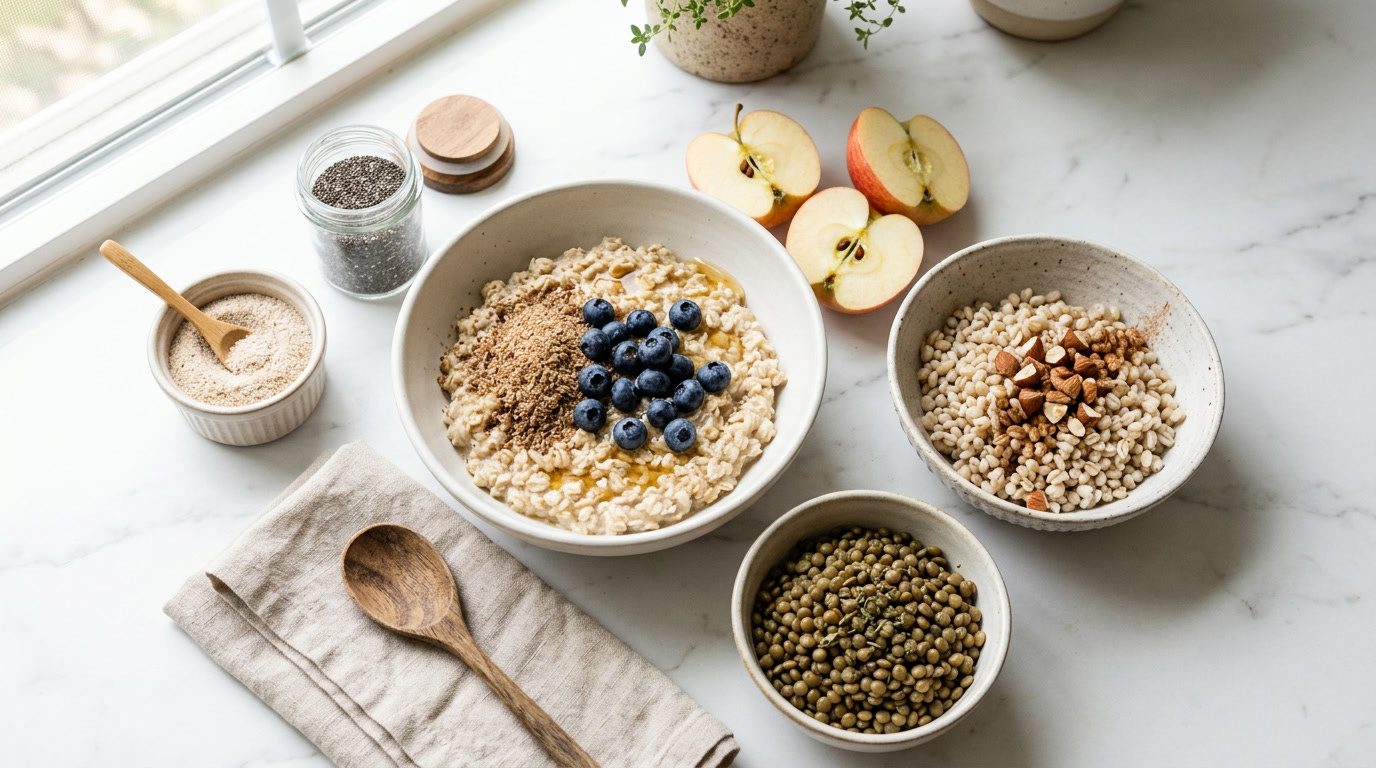
The short version
- It is soluble fiber that matters: across 67 trials, each gram lowered LDL by about 2 mg/dL
- 3g a day of oat beta-glucan lowered LDL by about 10 mg/dL in a 28-trial meta-analysis
- Psyllium at 10.2g a day cut LDL by 7% on top of a low-fat diet
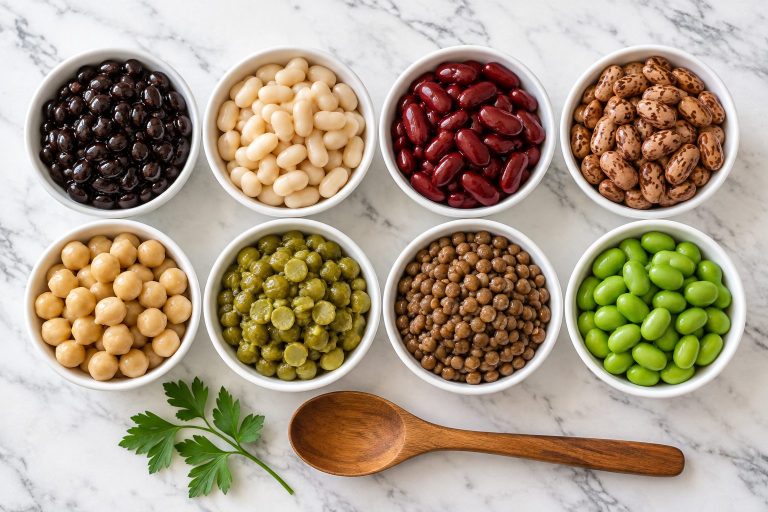
- About one serving of beans or lentils a day lowered LDL by about 7 mg/dL
- In the oat, psyllium and pooled-fiber analyses, HDL and triglycerides did not change
- This is diet, not treatment. Never change or stop a prescribed medication without your doctor
How fiber lowers cholesterol
Your liver uses cholesterol to make bile acids, which it releases into the gut to help digest fat. Normally most of that bile is reabsorbed and recycled. Gel-forming soluble fibers, such as oat and barley beta-glucan, psyllium and pectin, interfere with that recycling. More bile leaves in the stool, and the liver draws more cholesterol from the blood to replace it.
That is the best-supported of three proposed mechanisms in a 2010 review by Gunness and Gidley (Food & Function). The other two are a gentler blood-sugar response, which means less insulin pushing the liver to make cholesterol, and effects of propionate produced when gut bacteria ferment fiber. The review called the evidence for the propionate route inconclusive.
The practical point is that it is the soluble fraction doing the work. None of the trials below tested wheat bran. Soluble vs insoluble fiber explains the difference.
What the trials found, in numbers
Studies report cholesterol in mmol/L. The US uses mg/dL, so we converted: 1 mmol/L of cholesterol is 38.67 mg/dL.
| Analysis | What people ate | LDL change |
|---|---|---|
| Brown et al., AJCN 1999 — 67 trials | 2–10g soluble fiber a day (oat, psyllium, pectin, guar) | −2.2 mg/dL per gram |
| Whitehead et al., AJCN 2014 — 28 trials | 3g or more of oat beta-glucan a day | −9.7 mg/dL |
| Ha et al., CMAJ 2014 — 26 trials | Pulses, median 130g a day (about one serving) | −6.6 mg/dL |
| Anderson et al., AJCN 2000 — 8 trials | 10.2g psyllium a day, on top of a low-fat diet | −7% |
In Brown’s analysis, soluble fiber from oats, psyllium and pectin worked about equally well per gram. In Whitehead’s, the effect of oat beta-glucan was larger in people who started with higher LDL. Brown, Whitehead and Anderson all found no significant change in HDL or triglycerides. The pulse analysis looked at LDL, apolipoprotein B and non-HDL cholesterol, and only LDL moved.
Why one bowl of oatmeal isn’t enough
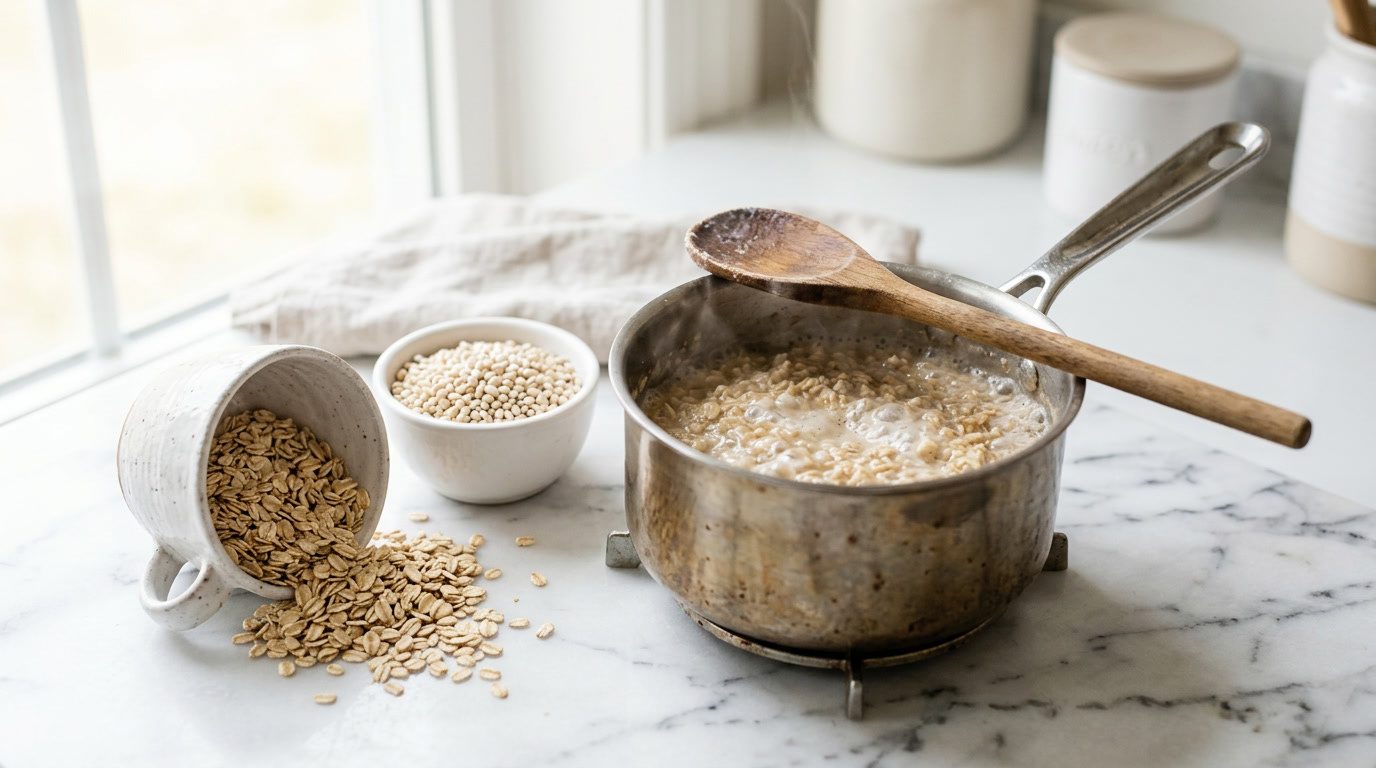
Brown’s paper gives its own example: 3 grams of soluble fiber from oats means three servings of oatmeal, 28 grams each. USDA weighs a third of a cup of dry oats at 27 grams, so three servings is about a full cup of dry oats a day. A bowl made from half a cup of dry oats uses about 40 grams, which is under half of that.
That explains the retest that barely moved. One bowl a day is a partial dose of an effect that is modest even at full dose: Brown’s own estimate for the full 3 grams was about 5 mg/dL. The authors put it plainly: soluble fiber makes “only a small contribution” to dietary therapy for cholesterol.
The FDA sets the same threshold for food labels. Under 21 CFR 101.81, an oat or barley food can carry a heart-disease claim based on 3 grams of beta-glucan a day, and a psyllium food based on 7 grams of psyllium soluble fiber. The regulation is covered in more detail in fiber for belly fat.
The foods, ranked by fiber per serving
USDA’s SR Legacy tables, which supply every number on this site, list no soluble-fiber values for any food below. So this ranks total fiber per serving, and the last column shows which trial evidence each food falls under.
| # | Food (cooked unless noted) | Serving | Fiber | Evidence it falls under |
|---|---|---|---|---|
| 1 | Navy beans | 1 cup (182g) | 19.1g | Pulses (Ha 2014) |
| 2 | Lentils | 1 cup (198g) | 15.6g | Pulses (Ha 2014) |
| 3 | Black beans | 1 cup (172g) | 15.0g | Pulses (Ha 2014) |
| 4 | Chickpeas | 1 cup (164g) | 12.5g | Pulses (Ha 2014) |
| 5 | Kidney beans | 1 cup (177g) | 11.3g | Pulses (Ha 2014) |
| 6 | Pearl barley | 1 cup (157g) | 6.0g | Beta-glucan (FDA claim) |
| 7 | Oat bran | 1 cup (219g) | 5.7g | Beta-glucan (FDA claim) |
| 8 | Pear, raw | 1 medium (178g) | 5.5g | Pectin (Brown 1999) |
| 9 | Apple with skin, raw | 1 medium (182g) | 4.4g | Pectin (Brown 1999) |
| 10 | Oatmeal | 1 cup (234g) | 4.0g | Beta-glucan (FDA claim) |
The oat and barley foods, which carry the regulated claim, sit at the bottom by total fiber. The claim rests on the specific fiber they contain, not the amount. Beans sit at the top, and the pulse meta-analysis suggests they help too. Brown’s analysis measured pectin itself, not whole fruit, so treat apples and pears as a smaller, less direct contribution.
Psyllium is missing from the table because USDA has no entry for it. It is the most concentrated option and the one most studied as a supplement. For ways to cook with it, see psyllium husk recipes.
Putting it on a plate
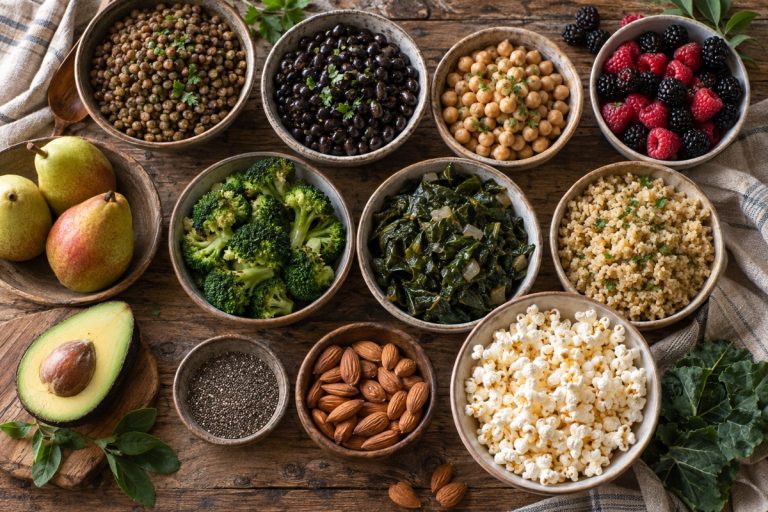
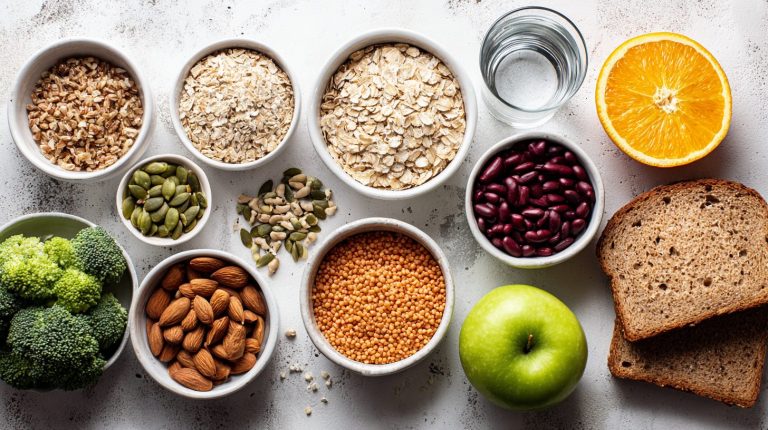
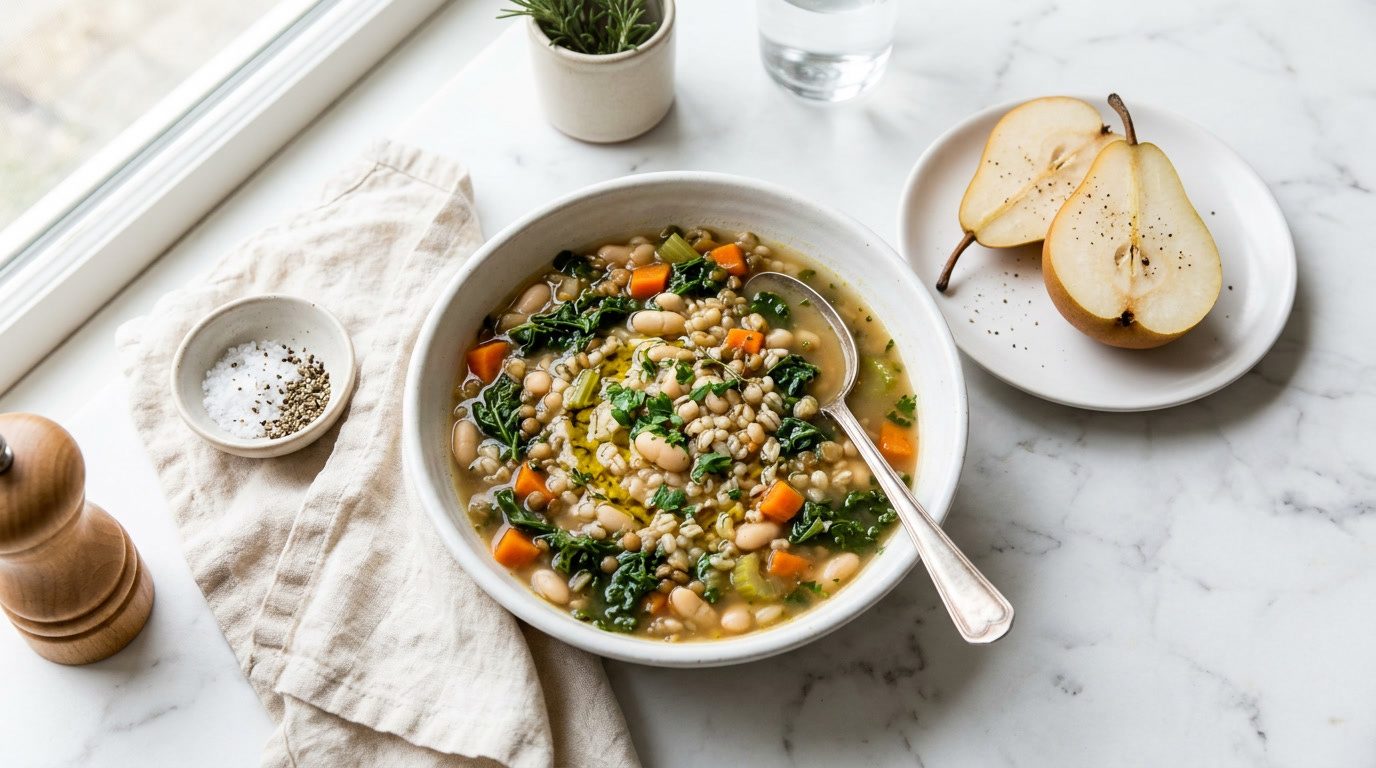
A day that covers every category in the table looks like this: oats or oat bran at breakfast, a portion of beans or lentils at lunch or dinner, barley in a soup, and a pear or an apple as a snack. The pulse trials used a median of 130 grams a day: by USDA cup weights, two-thirds of a cup of cooked lentils or four-fifths of a cup of chickpeas.
Some easy ways in: red lentil dal, lentil vegetable soup and the barley soup in high-fiber soups. For more foods, see the bean ranking and the grain ranking.
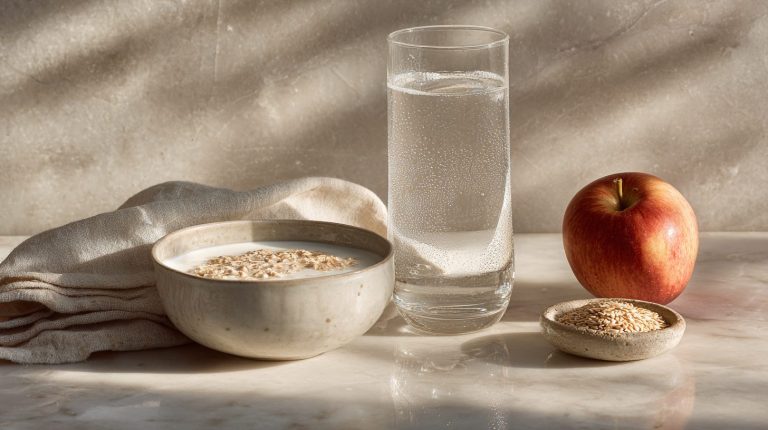
Add fiber gradually and drink with it. A sudden jump brings gas and bloating, and too much fiber explains what is normal while you adjust.
What fiber can’t do
Keep the size of the effect in view. A 5 to 10 mg/dL drop is worth having, and it adds to other changes, but it is not the size of a drug effect. The trials measured LDL over weeks. They did not measure heart attacks.
If you take medication for cholesterol, never change or stop it on the strength of a diet change. Eat the fiber as well, and let your doctor judge the numbers. This page is general information, not medical advice.
Frequently asked questions
Does fiber lower LDL or HDL cholesterol?
LDL and total cholesterol. In the Brown, Whitehead and Anderson meta-analyses, soluble fiber did not significantly change HDL or triglycerides.
How much fiber a day lowers cholesterol?
The trials tested amounts rather than setting a target. Oat beta-glucan trials used 3 grams or more a day. Brown’s analysis covered 2 to 10 grams of soluble fiber a day and found about 2 mg/dL of LDL per gram. The psyllium trials used 10.2 grams of psyllium a day. Ask your doctor what makes sense for you.
How long does it take?
The oat trials in Whitehead’s analysis ran for 2 to 12 weeks, and trial length did not change the result. The psyllium trials ran for at least 8 weeks.
Do chia seeds or flaxseed lower cholesterol?
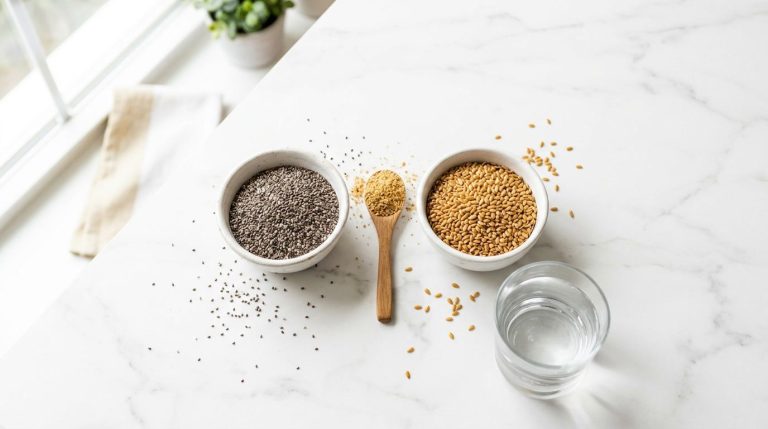
Neither has an FDA cholesterol claim. In a 2008 trial in Winnipeg, 30 grams a day of flax, whole, milled or as oil, did not change plasma cholesterol. Chia vs flaxseed covers what they are good for.
Is a fiber supplement as good as food?
Psyllium has the strongest supplement evidence: 7% lower LDL at 10.2 grams a day in Anderson’s analysis. Whole foods bring other fibers and nutrients as well, so they are not interchangeable. Check with your doctor before adding a supplement, especially if you take other medicines.
For the other fiber-and-health questions this site has covered, start with fiber questions answered.
Get the free Fibermaxxing Starter Kit
A 7-day plan, 5 tested recipes & a fridge cheat sheet — straight to your inbox.
No spam, just recipes. Unsubscribe anytime.

Emma Hartwell
Emma Hartwell is the home cook and recipe developer behind Fiber & Fork. After years of dealing with sluggish digestion and endless afternoon energy crashes, she rebuilt her kitchen around one simple idea: hit 30 grams of fiber a day without eating a single boring meal. Every recipe on this site is cooked, photographed, and taste-tested in her own kitchen — beans, lentils, whole grains, and vegetables turned into food you'll actually crave. When she's not stirring a pot of something cozy, Emma is testing new ways to sneak fiber into desserts her family can't tell apart from the 'real thing'.