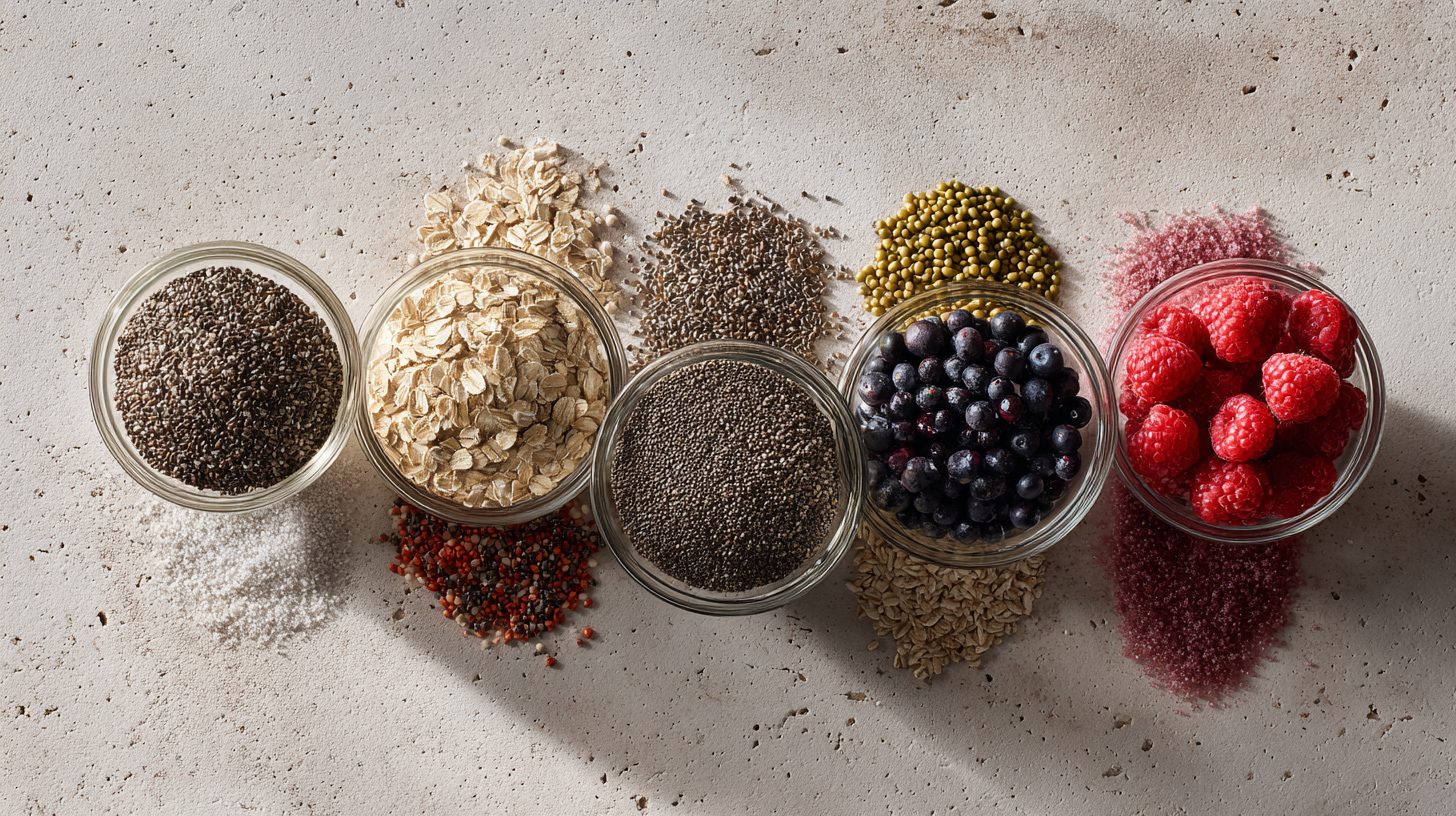
Fibermixing: Why ‘Fibermaxxing 2.0’ Is About Variety, Not Just Grams
If you’ve kept up with the fiber conversation, you’ve felt it shift. The 2025 message was simple: eat more fiber. The 2026 message, showing up everywhere from NPR to food-industry reports, is more sophisticated: eat a variety of fiber. It has a name now — fibermixing, or “fibermaxxing 2.0” — and it’s less about the number on the label and more about the mix on your plate.
The short version
- Fibermaxxing = eat more total fiber. Fibermixing = eat different types of fiber
- Different fibers feed different gut bacteria and do different jobs
- The practical rule: variety beats any single “superfood”
- You’re probably already doing it if you eat a range of plants
What is fibermixing?
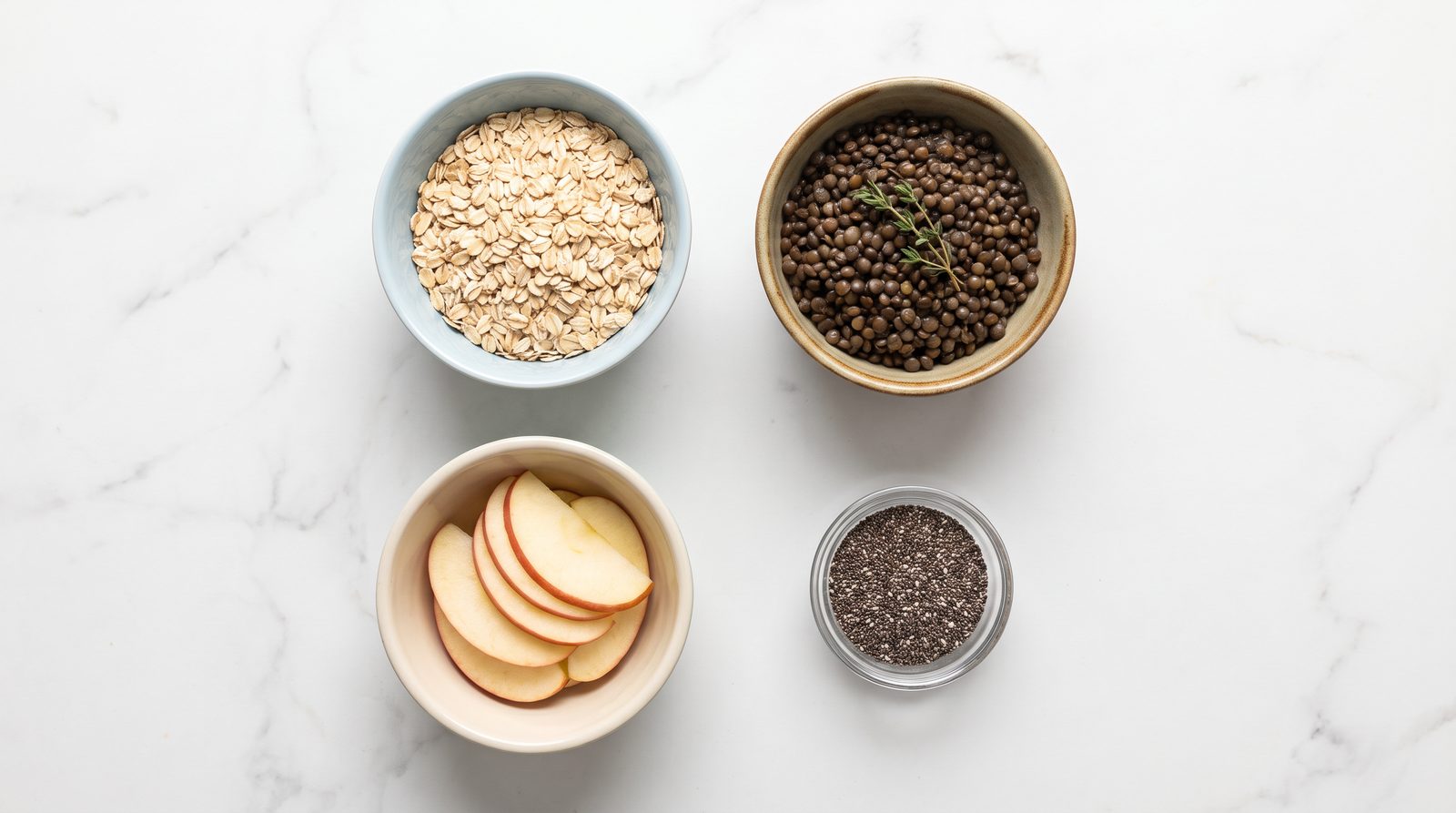
Fibermixing is the deliberate practice of eating several different kinds of fiber rather than piling up grams from one or two sources. The insight behind it is real: “fiber” isn’t a single substance. It’s a whole category of plant compounds — soluble and insoluble, fermentable and non-fermentable, resistant starches, beta-glucans, pectins, inulin — and each behaves differently in your body and feeds different populations of gut bacteria.
Hit 30 grams a day entirely from, say, a fiber supplement and you technically “maxxed.” But you fed a much narrower slice of your microbiome than someone who got the same 30 grams from beans, oats, berries, and vegetables. That’s the gap fibermixing closes.
The main fiber types (and where to get them)
- Soluble fiber — dissolves into a gel, lowers cholesterol, steadies blood sugar. Oats, beans, apples, citrus, chia, psyllium.
- Insoluble fiber — adds bulk, keeps things moving. Whole grains, vegetable skins, nuts, seeds.
- Resistant starch — feeds beneficial bacteria in the colon. Cooked-and-cooled potatoes and rice, green bananas, legumes.
- Beta-glucan — a standout for heart and immune health. Oats and barley.
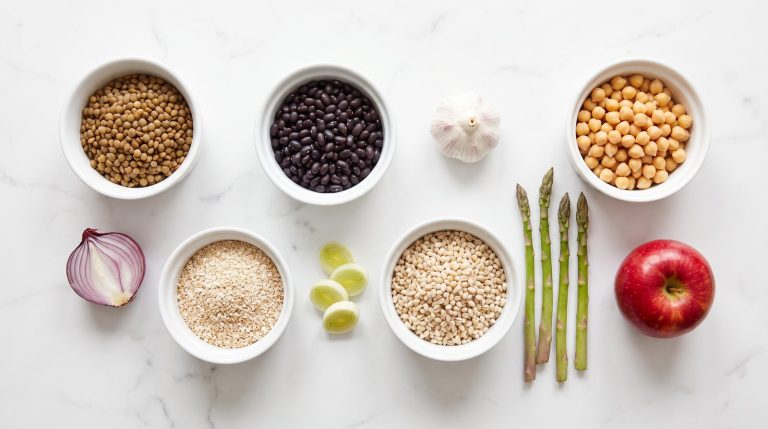
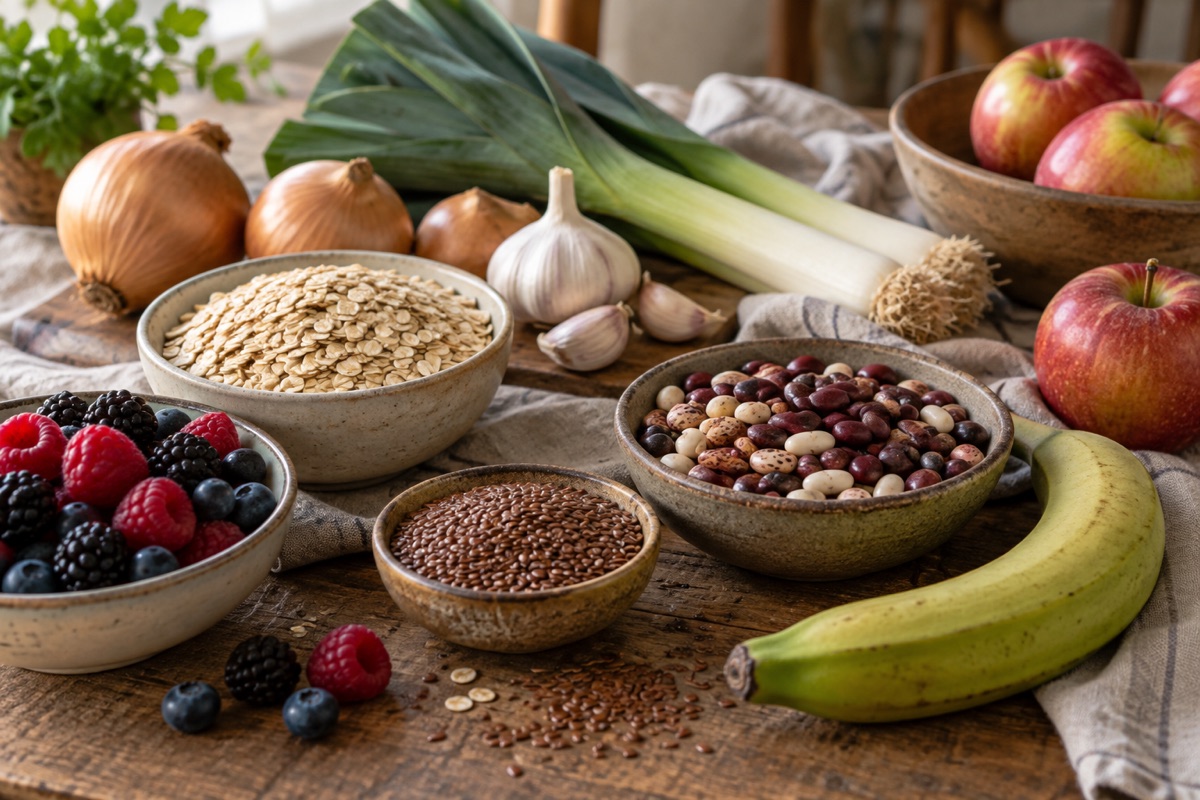
- Prebiotic fibers (inulin, etc.) — fuel for probiotics. Onions, garlic, leeks, asparagus, chicory.
How to actually fibermix (without overthinking it)
The good news: you don’t need to track fiber subtypes. A few simple habits cover the whole spectrum automatically.
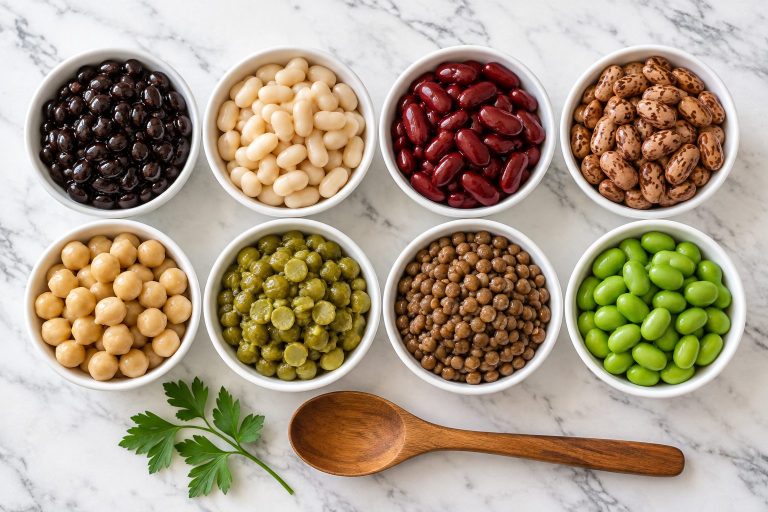
- Rotate your beans. Black beans one day, lentils the next, chickpeas after that — each brings a slightly different fiber profile.
- Eat the rainbow of plants. Different colors often mean different fibers and polyphenols. Variety is the strategy.
- Cool your carbs. Cooked-then-cooled rice and potatoes develop resistant starch — a fiber type most people barely get.
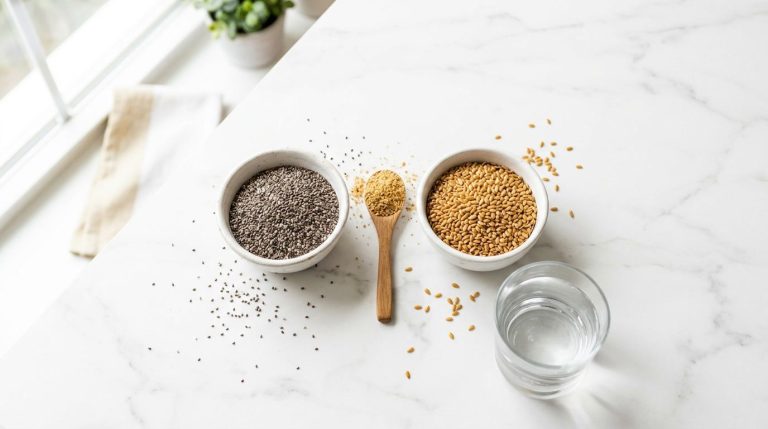
- Add seeds. A tablespoon of chia or ground flax brings soluble fiber that beans don’t emphasize.
- Keep the alliums. Onions, garlic and leeks quietly add prebiotic fiber to almost any savory dish.
A naturally fibermixed day
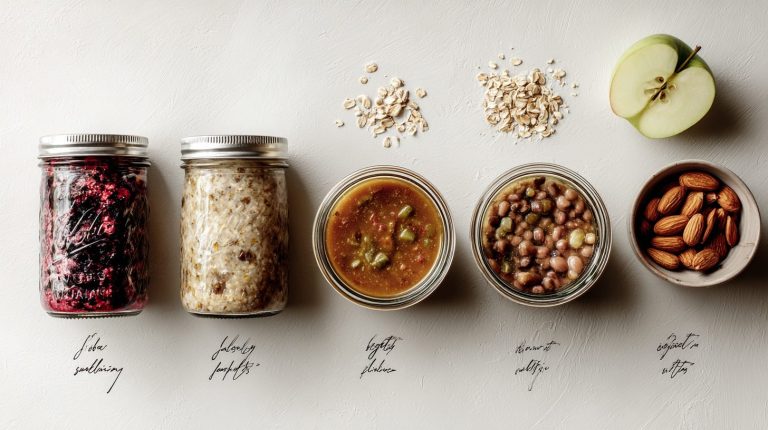
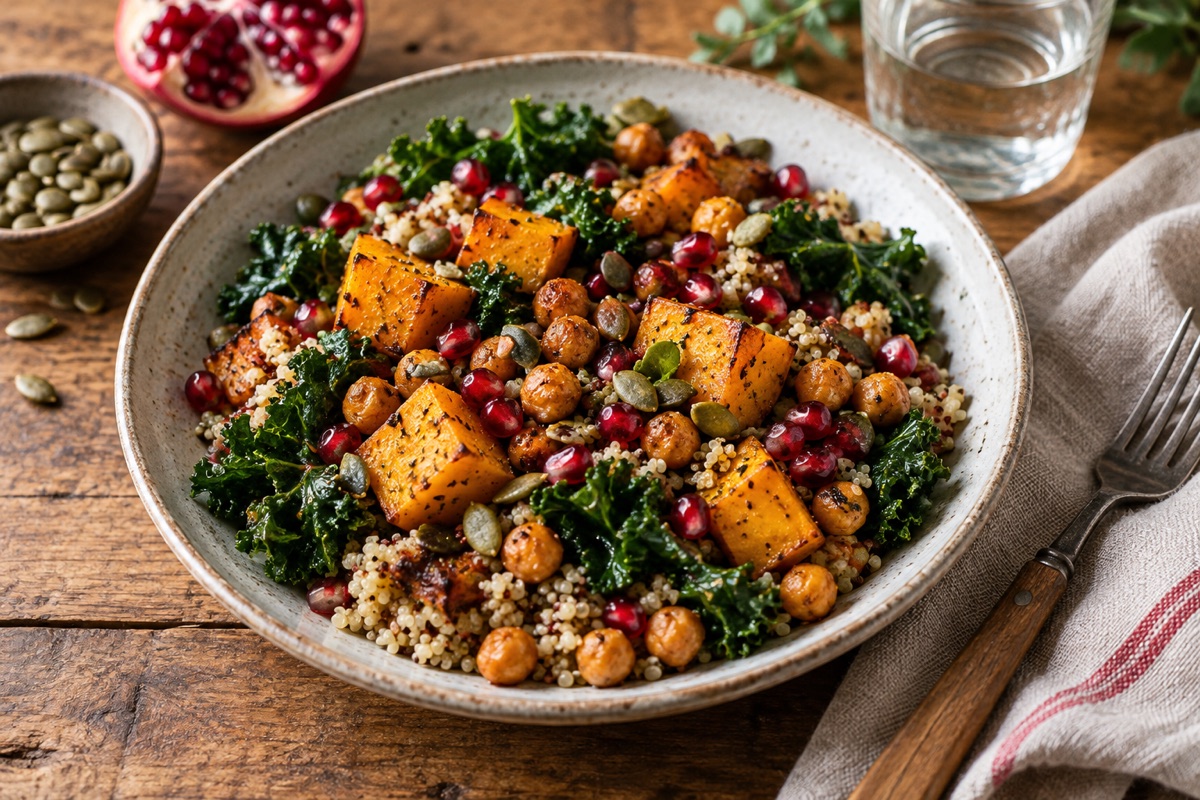
Our recipes already do this without anyone planning it. Oats and chia at breakfast (beta-glucan + soluble), lentils at dinner (a different legume fiber), chickpeas as a snack (another still), and berries and vegetables throughout — that’s four or five distinct fiber types in a single day, no spreadsheet required. Follow the 7-day meal plan and you’re fibermixing by default.
Frequently asked questions
Is fibermixing better than fibermaxxing?
They’re complementary, not opposed. You still want enough total fiber (the fibermaxxing goal of ~30g); fibermixing just makes sure those grams come from varied sources for a healthier, more diverse gut. Do both: hit the number, vary the sources.
How many different fiber sources should I aim for?
There’s no official number, but a common gut-health guideline is aiming for 30 different plants a week. It sounds like a lot until you count — herbs, spices, nuts, seeds, grains, beans and each fruit and vegetable all count individually.
Do I need special products to fibermix?
No. Despite the food-industry buzz around fortified “fibermixing” products, whole foods cover every fiber type for a fraction of the cost. Beans, oats, seeds, fruit and vegetables are all you need.
I’m just starting out — maxxing or mixing first?
Start by getting your total fiber up gradually (that’s Fibermaxxing 101), and let variety come naturally as you add more plant-based meals. Ramp up slowly and drink water — and if you have a digestive condition, talk to your doctor (disclaimer).
Fermentable fiber is the part of the mix your gut bacteria actually eat; the prebiotic foods guide shows which foods carry enough of it to matter.
Get the free Fibermaxxing Starter Kit
A 7-day plan, 5 tested recipes & a fridge cheat sheet — straight to your inbox.
No spam, just recipes. Unsubscribe anytime.

Emma Hartwell
Emma Hartwell is the home cook and recipe developer behind Fiber & Fork. After years of dealing with sluggish digestion and endless afternoon energy crashes, she rebuilt her kitchen around one simple idea: hit 30 grams of fiber a day without eating a single boring meal. Every recipe on this site is cooked, photographed, and taste-tested in her own kitchen — beans, lentils, whole grains, and vegetables turned into food you'll actually crave. When she's not stirring a pot of something cozy, Emma is testing new ways to sneak fiber into desserts her family can't tell apart from the 'real thing'.