High-Fiber Cottage Cheese Bowls: 5 Ways
Cottage cheese has had an unlikely second life. It is cheap, it is 24 grams of protein a cup, and it has spent two years being blended into everything on the internet. There is just one gap nobody mentions: cottage cheese contains zero fiber. Not a little — none. Two spoonfuls of seeds and a handful of fruit close that gap completely, and take a bowl from 0 grams to somewhere between 8 and 12.
The short version
- Cottage cheese: brilliant protein, 0g fiber
- The fix is 1 tbsp chia + 1 tbsp ground flax — 7g fiber, invisible in the texture
- Five bowls below, 8–12g fiber each, sweet and savoury
- Five minutes, no cooking, works as make-ahead
Why cottage cheese needs help
Fiber comes from plants. Cottage cheese is a dairy product, so like every other dairy product — milk, yogurt, cheese — it contains none at all. That is not a flaw, it is just what it is. But it does mean that the very popular high-protein cottage cheese breakfast leaves you with a meal that does one job well and another not at all.
This matters more than it sounds, because protein and fiber are better together than either is alone. Protein handles satiety in the short term; fiber slows digestion and keeps you full for hours after. A bowl with 24 grams of protein and 11 grams of fiber will hold you until lunch in a way that the same bowl without the seeds simply will not. It is the same logic behind our high-protein, high-fiber meals.
The two-spoon rule
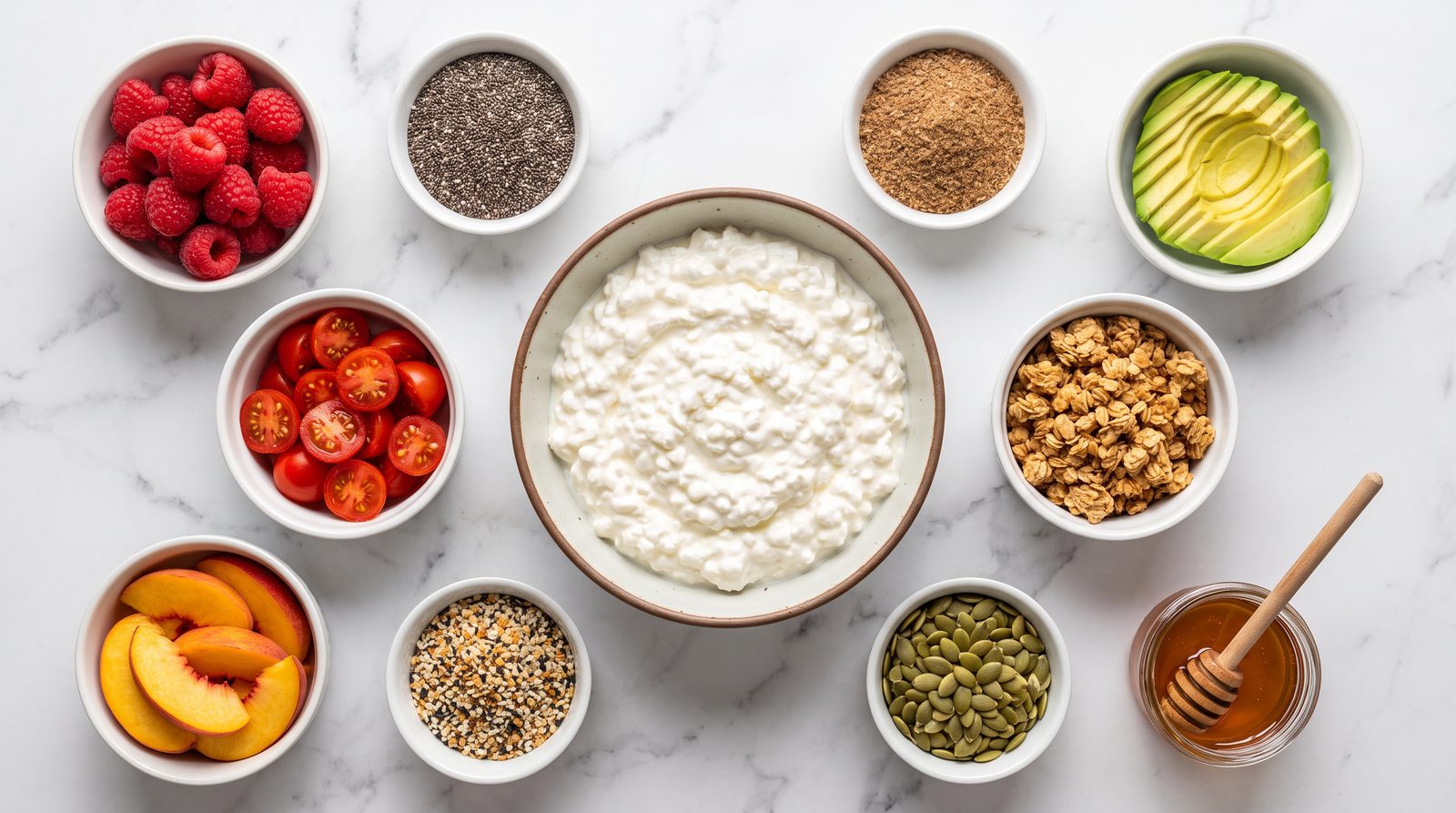
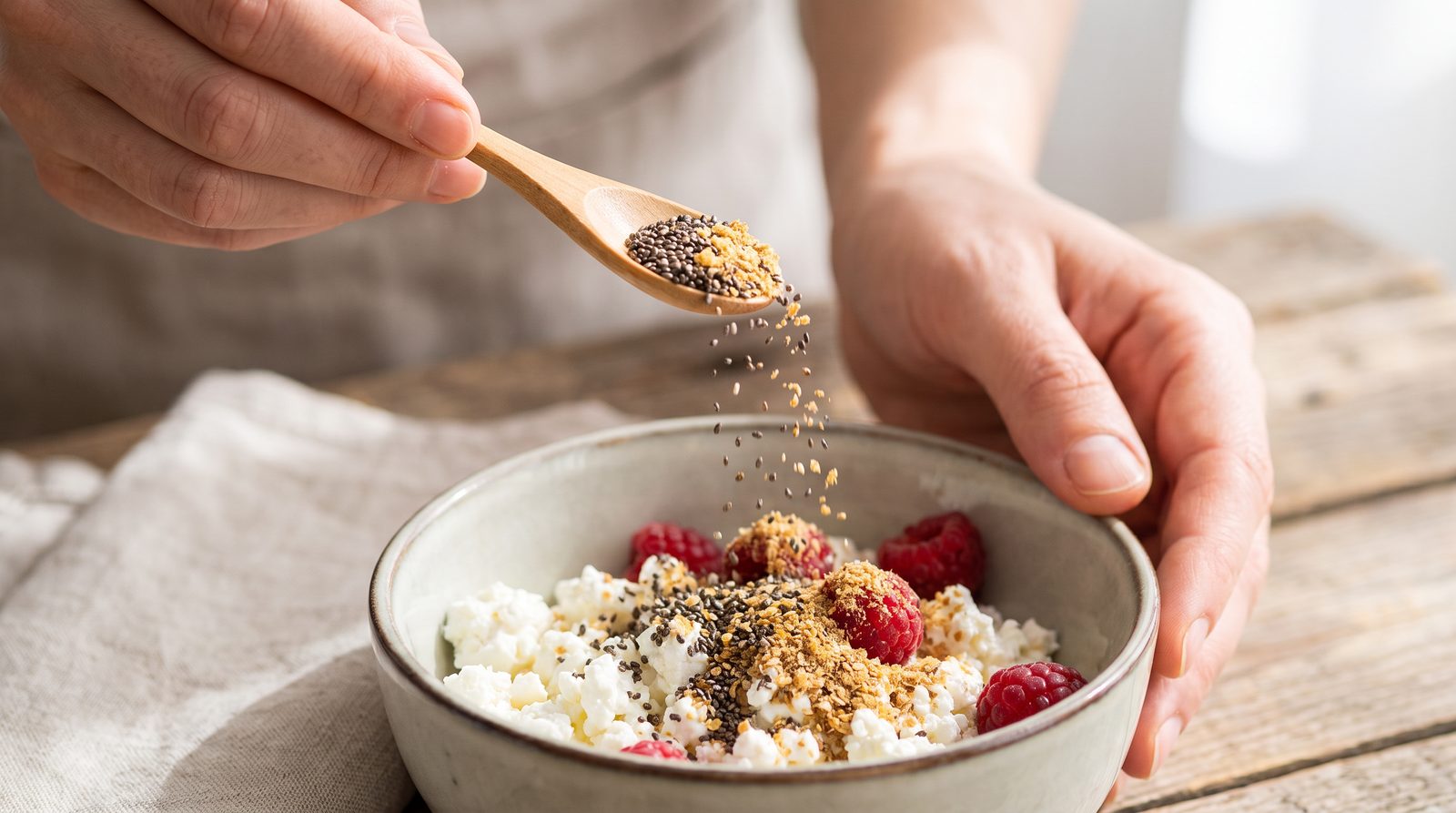
Every bowl below starts the same way: three quarters of a cup of cottage cheese, one tablespoon of chia seeds, one tablespoon of ground flaxseed, stirred together. That is 7 grams of fiber before any topping goes on, and it changes nothing about how the bowl tastes.
Two details matter. Use ground flaxseed, not whole — whole flax seeds are small and hard enough to pass through you undigested, which does nothing for anybody. And if you can leave the bowl five minutes before eating, the chia softens and thickens the whole thing into something closer to a mousse. Overnight in the fridge is better still.
Five bowls
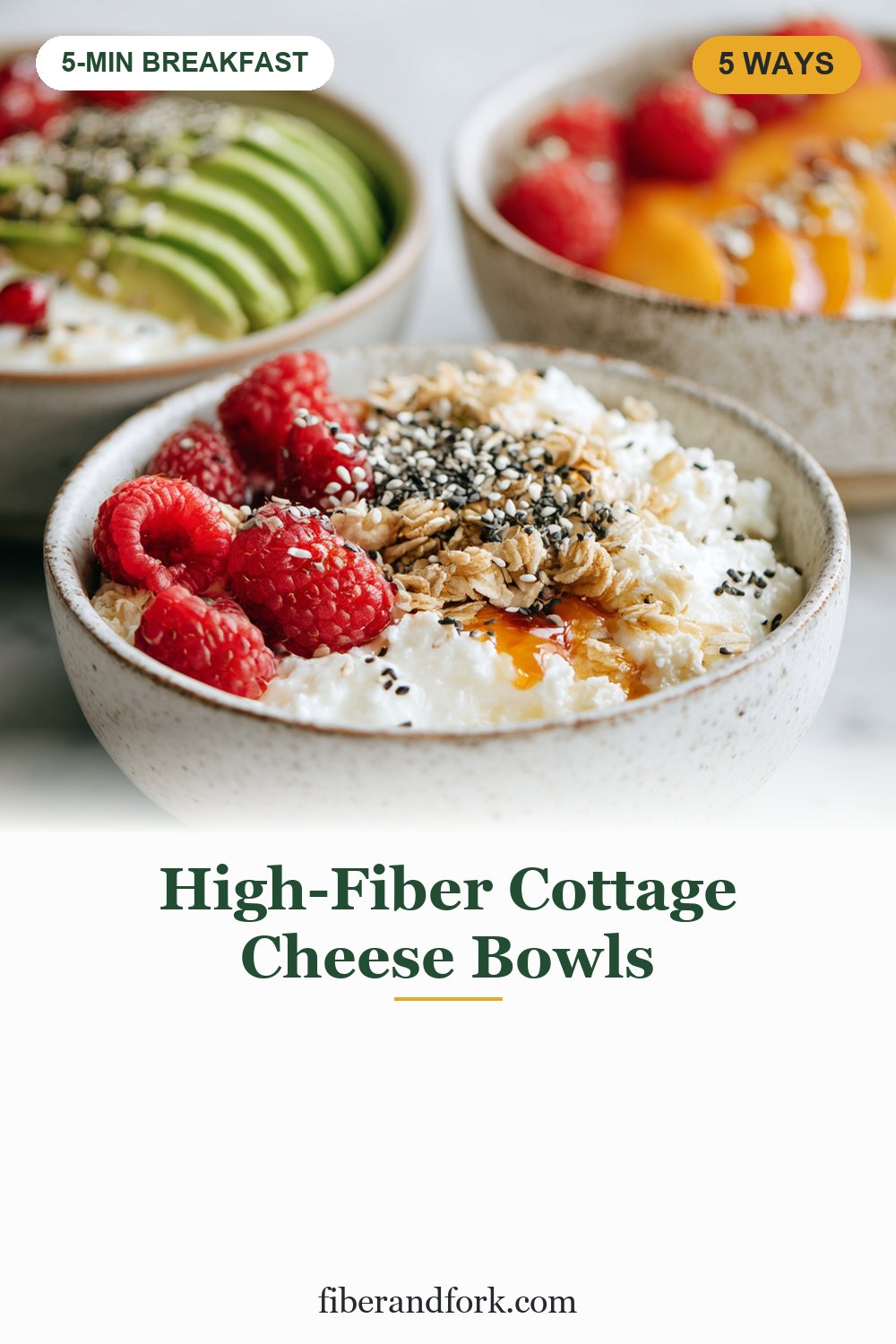
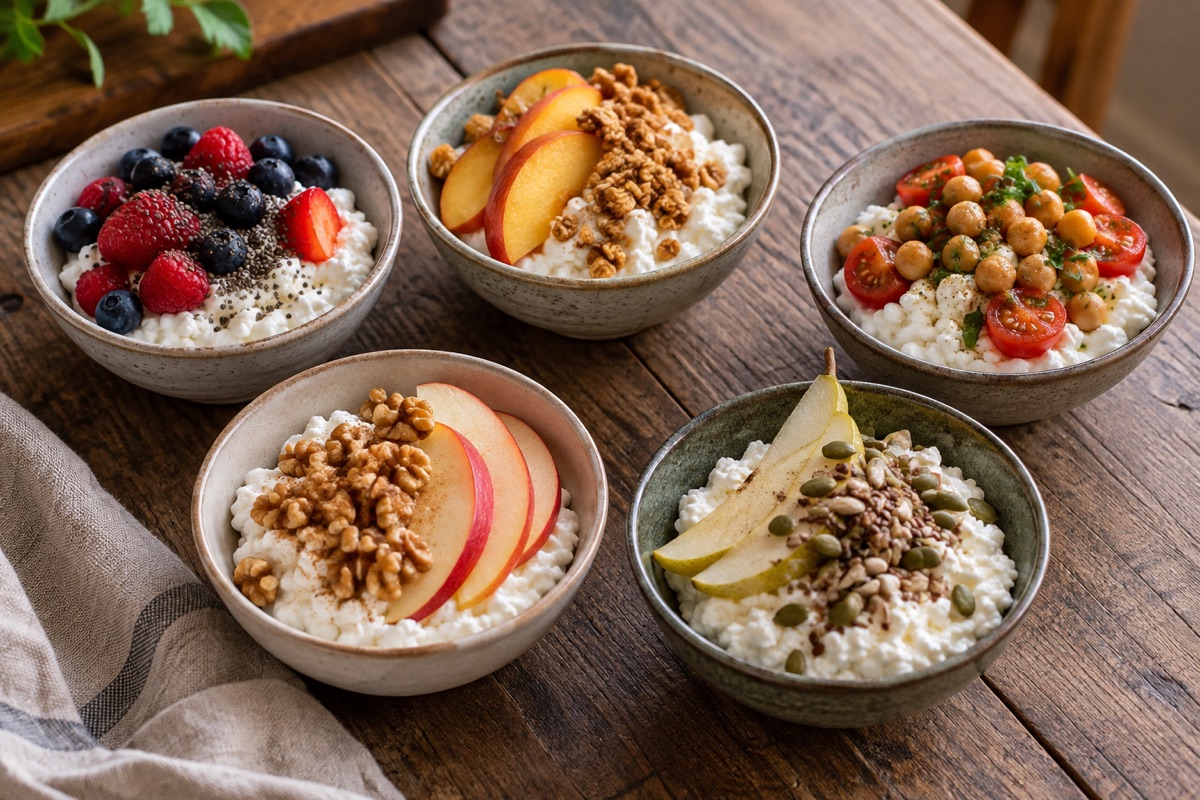
1. Raspberry chia — 11g fiber
The base plus half a cup of raspberries, a drizzle of honey and a pinch of cinnamon. Raspberries are the highest-fiber fruit there is — 8 grams a cup, more than most people expect — and their tartness cuts the dairy. This is the one in the recipe card below.
2. Savoury avocado and tomato — 10g fiber
The base plus half a sliced avocado, a handful of halved cherry tomatoes, black pepper and everything bagel seasoning. Skip the honey, obviously. If you have only ever eaten cottage cheese sweet, this is the version that converts people — it eats like a deconstructed bagel with cream cheese.
3. Peach and granola — 9g fiber
The base plus a sliced peach and two tablespoons of a genuinely high-fiber granola. Check the label — a lot of granola is under 2 grams a serving and mostly sugar. Look for one built on oats and nuts rather than syrup and puffed rice.
4. Chocolate peanut butter — 12g fiber
Blend the base smooth with a tablespoon of cocoa powder and a little maple syrup, then top with a tablespoon of peanut butter and a few cacao nibs. Blending is not optional here — the curds are wrong for this one. Tastes like dessert; behaves like breakfast. Same principle as our high-fiber desserts.
5. Apple, walnut and cinnamon — 10g fiber
The base plus a diced apple (skin on — that is where most of the fiber lives), a small handful of chopped walnuts and plenty of cinnamon. The most autumnal of the five, and the one that holds up best if you make it the night before.
Frequently asked questions
Does cottage cheese have any fiber at all?
None. Fiber is a plant carbohydrate, and cottage cheese is made from milk, so it contains zero — as does yogurt, cheese, milk, eggs and meat. This is not a knock on cottage cheese, which is genuinely excellent for protein and calcium. It just means the fiber has to come from what you put on top.
Which cottage cheese should I buy?
Full-fat or 2%. Skim cottage cheese goes watery and separates when you stir seeds into it, and the fat is part of why the bowl keeps you full. Beyond that it is down to curd size and preference — and if you dislike the texture entirely, blending fixes it in twenty seconds.
Can I make these the night before?
Yes, and the seed-based ones are better for it. Stir the chia and flax in, cover, and refrigerate — by morning the chia has set the bowl into a thick, spoonable texture like a very good yogurt. Add fruit, nuts and granola just before eating so nothing goes soft or brown.
Can I use Greek yogurt instead?
Absolutely — everything here works identically with Greek yogurt, which also has zero fiber and needs exactly the same fix. Cottage cheese generally has a little more protein and a lot less sugar than flavoured yogurts, but the two-spoon rule applies to both.
Will this much fiber upset my stomach?
If you are not used to it, possibly — chia and flax both absorb a lot of water. Start with half a tablespoon of each, drink water alongside, and build up over a week or two. The ramp-up is covered properly in Fibermaxxing 101.
The recipe
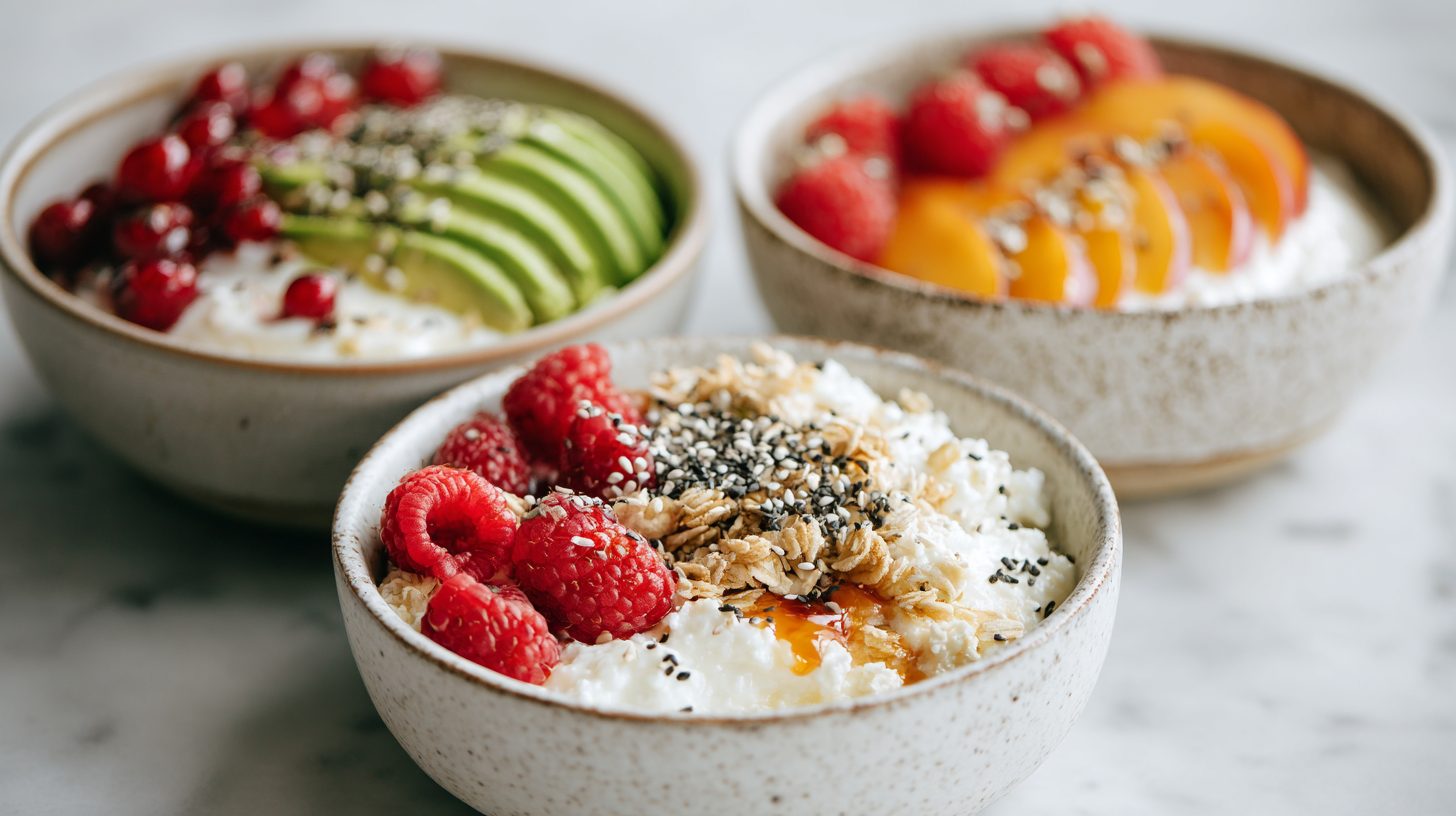
High-Fiber Cottage Cheese Bowl (11g Fiber)
Ingredients
Method
- Spoon the cottage cheese into a bowl. If the curds bother you, blitz it for 20 seconds in a blender or with an immersion blender first — it turns silky, like a thick yogurt, and nobody can tell what it started as.
- Stir the chia seeds and ground flaxseed straight into the cottage cheese. This is the entire fiber step, and it vanishes into the texture completely.
- If you have five minutes, let the bowl sit — the chia softens and thickens everything into something closer to a mousse. If you do not, eat it right away; it is still good.
- Top with the raspberries, a drizzle of honey if you want it sweet, and a pinch of cinnamon.
Notes
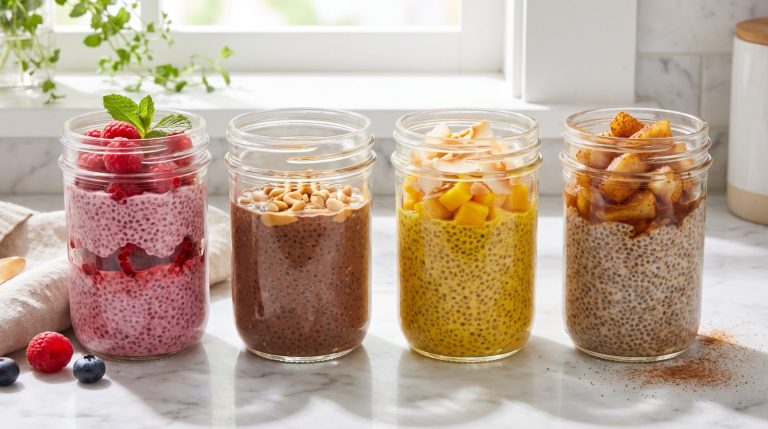
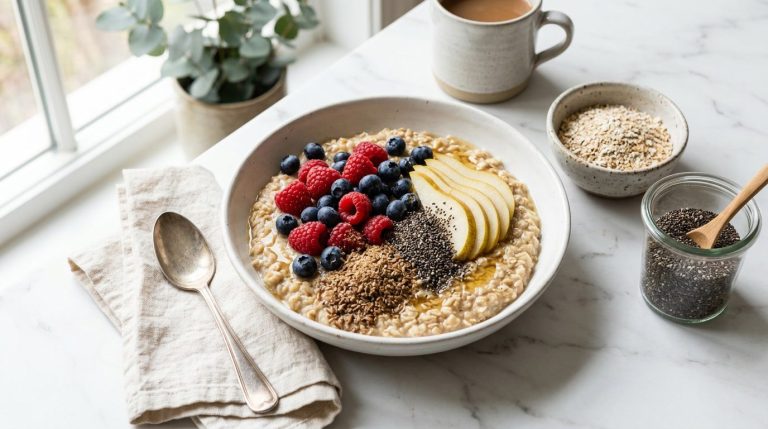
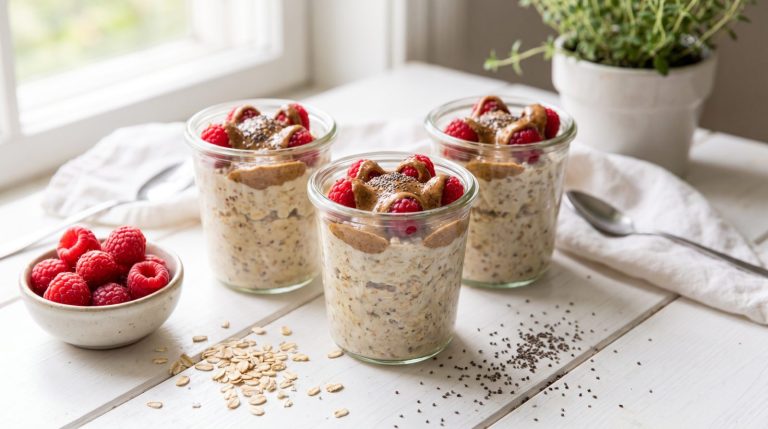
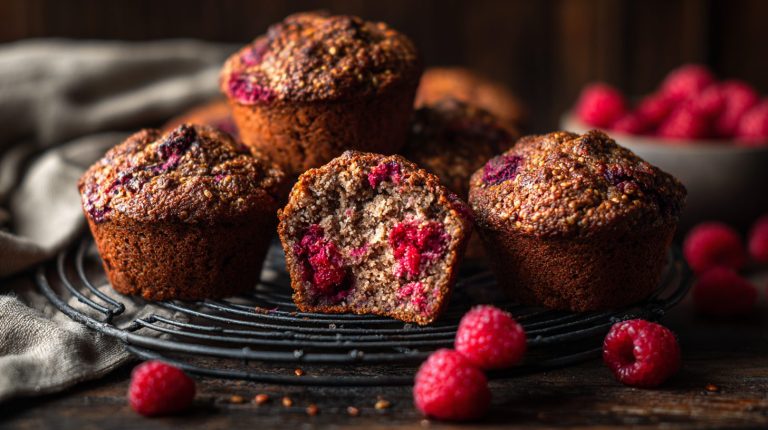
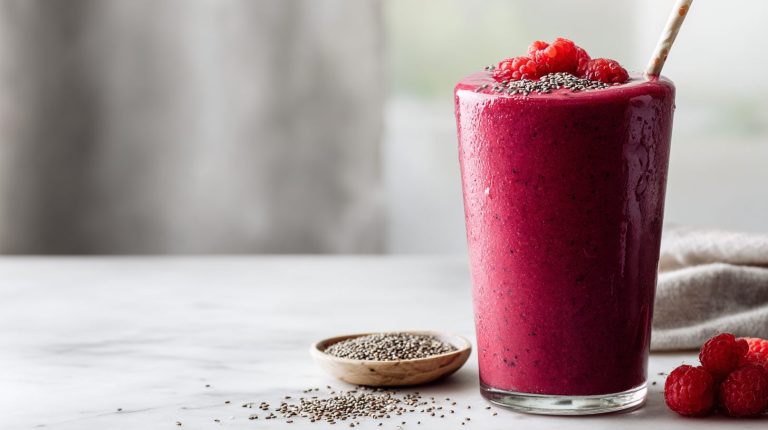
If the seed trick worked for you, it is the same idea behind raspberry chia overnight oats and chia pudding four ways. For more mornings in this range, see our 15 high-fiber breakfast ideas.
Get the free Fibermaxxing Starter Kit
A 7-day plan, 5 tested recipes & a fridge cheat sheet — straight to your inbox.
No spam, just recipes. Unsubscribe anytime.

Emma Hartwell
Emma Hartwell is the home cook and recipe developer behind Fiber & Fork. After years of dealing with sluggish digestion and endless afternoon energy crashes, she rebuilt her kitchen around one simple idea: hit 30 grams of fiber a day without eating a single boring meal. Every recipe on this site is cooked, photographed, and taste-tested in her own kitchen — beans, lentils, whole grains, and vegetables turned into food you'll actually crave. When she's not stirring a pot of something cozy, Emma is testing new ways to sneak fiber into desserts her family can't tell apart from the 'real thing'.