Fudgy Black Bean Brownies (Flourless, 5g Fiber)
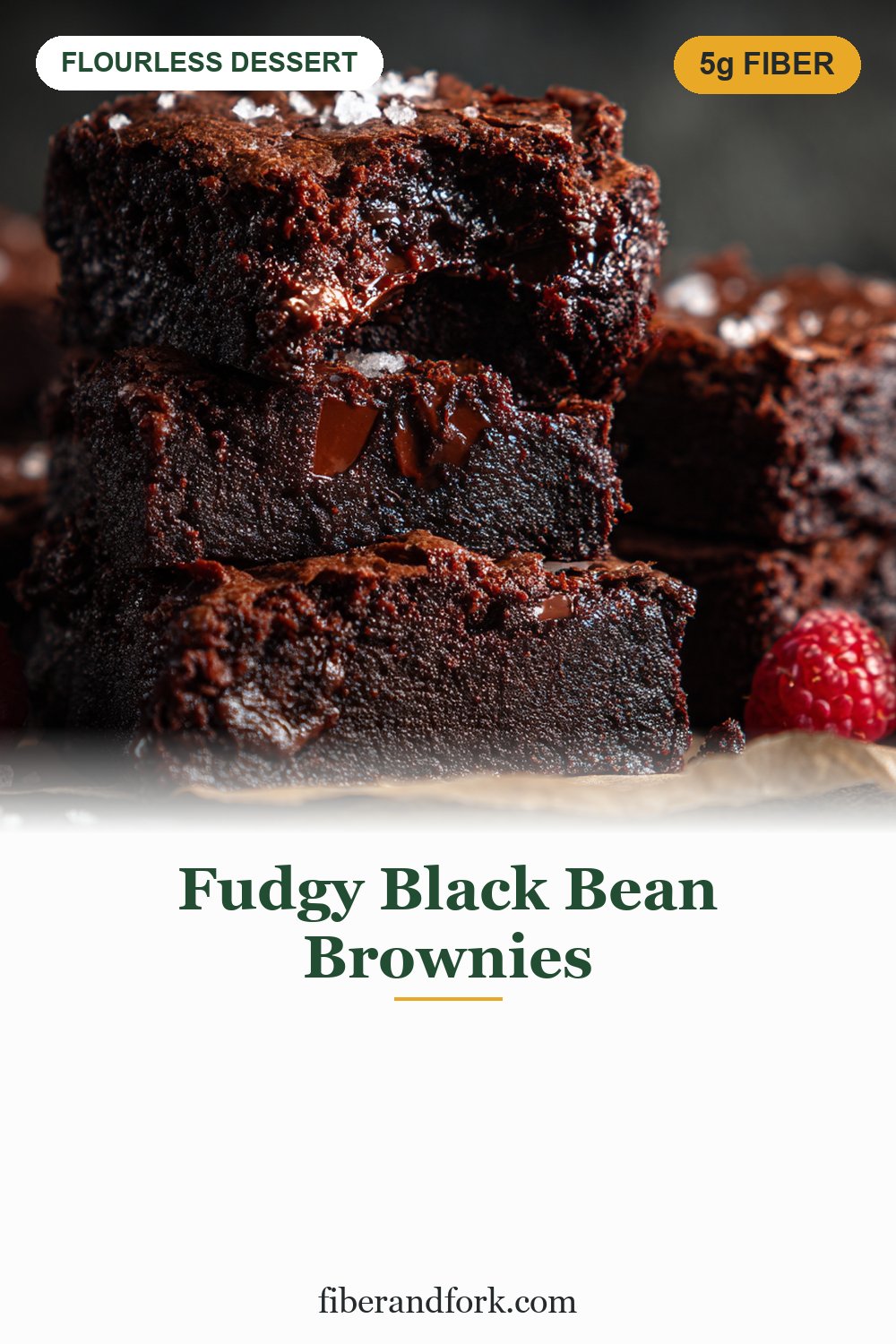
Let’s get the obvious out of the way: yes, there’s a whole can of black beans in these brownies, and no, you cannot taste it. I’ve served these to skeptical family members, watched them go back for seconds, and only then told them. The beans don’t make them taste healthy — they make them impossibly fudgy, while sneaking in 5 grams of fiber per square and quietly making them flourless and gluten-free.
The short version
- One blender, 35 minutes, no flour
- 5g fiber per brownie, naturally gluten-free
- The secret: rinse the beans well + blend completely smooth
- Fudgy, not cakey — genuinely tastes like a real brownie
Why beans make better brownies
It sounds like a health-food compromise, but there’s real food science here. Black beans are mostly starch and moisture — exactly what gives a brownie its dense, fudgy body. Blended smooth, they behave like a flour-and-fat base without any of the dryness flour can bring. Cocoa is a powerful flavor: it completely masks the beans, the same way it hides zucchini or avocado in other recipes.
The bonus is nutritional. A standard flour brownie has almost no fiber; these have 5 grams each, plus a little protein, from that one humble can.
The two rules that guarantee success
Ninety percent of “I could taste the beans” failures come down to two skipped steps:
- Rinse the beans until the water runs clear. That cloudy canning liquid is where the bean flavor lives. Rinse thoroughly and it goes down the drain with it.
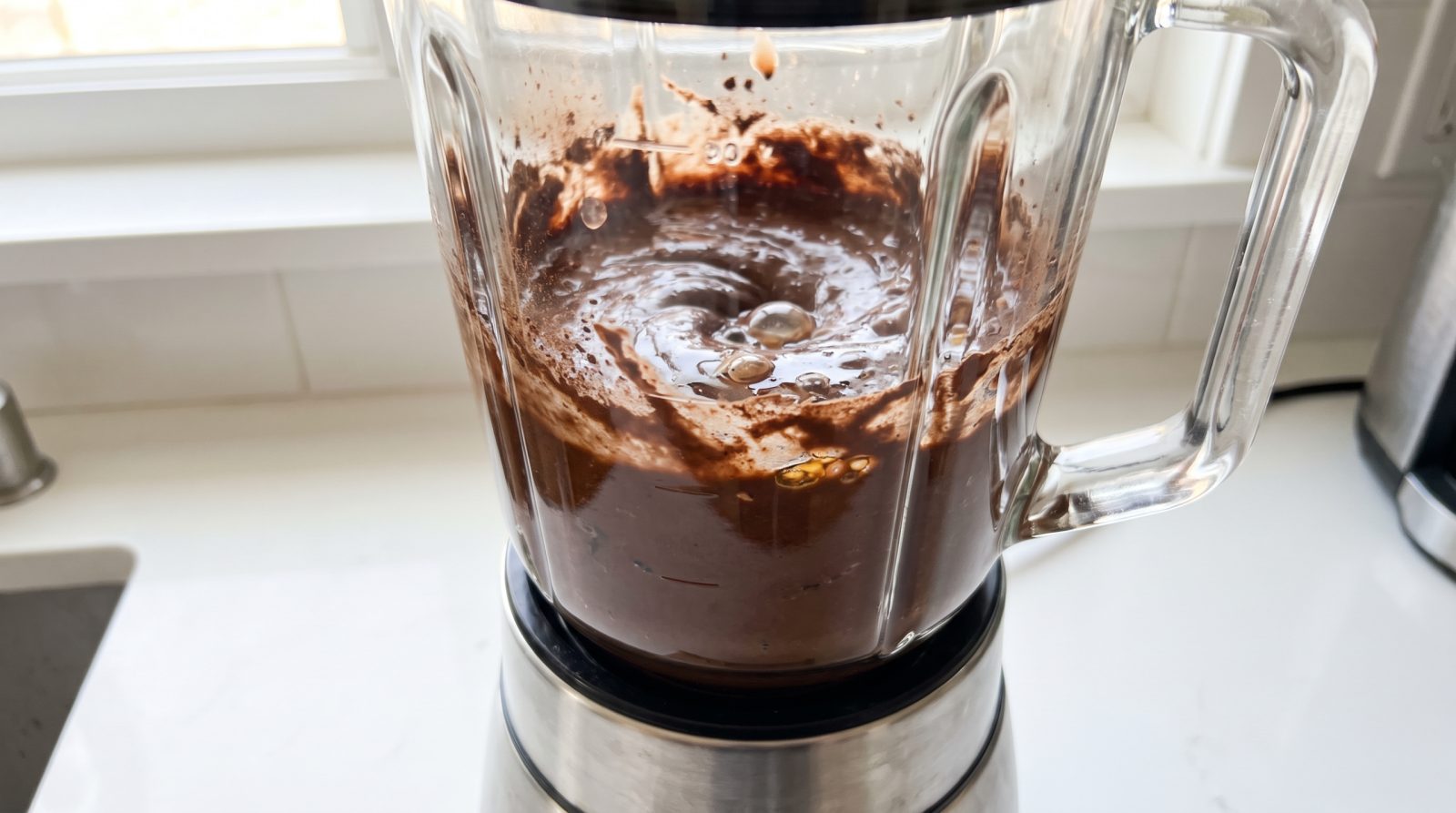
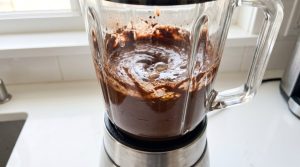
- Blend for a full minute. You want a completely smooth batter with zero visible bean skins. A food processor or a decent blender does this in about 60 seconds — don’t rush it.
How to make them
This is genuinely a dump-and-blend recipe. Everything but the chocolate chips goes into the blender at once, gets blended smooth, then you fold in half the chips and scatter the rest on top for that bakery-style cracked, chip-studded surface.
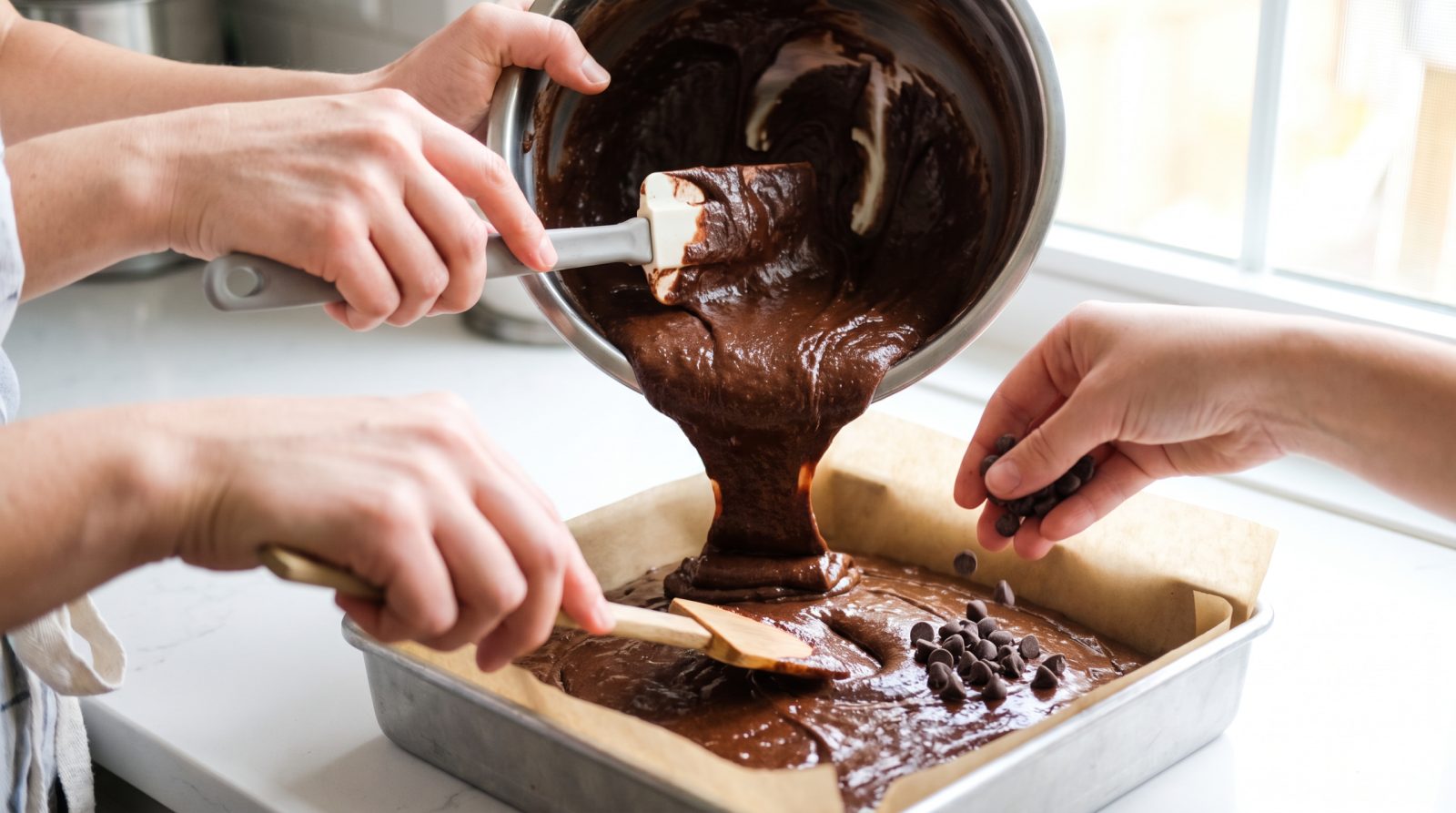
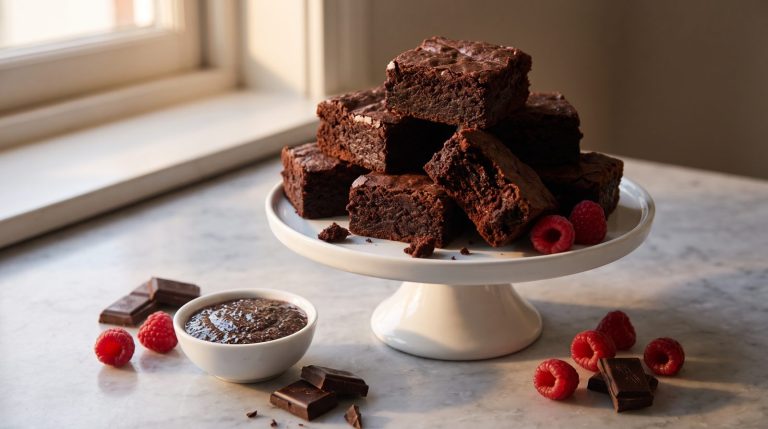
The one place to pay attention is the bake time. Pull them at 22–26 minutes when the edges are set but the center still looks slightly underdone — they firm up as they cool, and this is how you get fudgy instead of cakey. Then let them cool completely before slicing. Warm bean brownies are fragile; cooled ones slice into clean, dense squares.
Frequently asked questions
Can you really not taste the beans?
Genuinely, no — as long as you rinse well and blend smooth. The cocoa and chocolate chips dominate completely. This is the most common worry and the most consistently surprised reaction once people try them.
Can I make them vegan?
Yes. Replace the 2 eggs with 2 flax eggs (2 tablespoons ground flaxseed mixed with 6 tablespoons water, left to gel for 10 minutes). They come out slightly denser and add even more fiber. Use dairy-free chocolate chips to keep it fully vegan.
Why are my brownies cakey, not fudgy?
You overbaked them. Bean brownies go from fudgy to cakey fast. Next time pull them a few minutes earlier — the center should look barely set when they come out.
Are these actually healthy?
They’re a genuinely better-for-you dessert — high fiber, less sugar than most brownies, gluten-free — but they’re still a treat, not a health food. Enjoy them as dessert. More like this in our high-fiber desserts.
The recipe
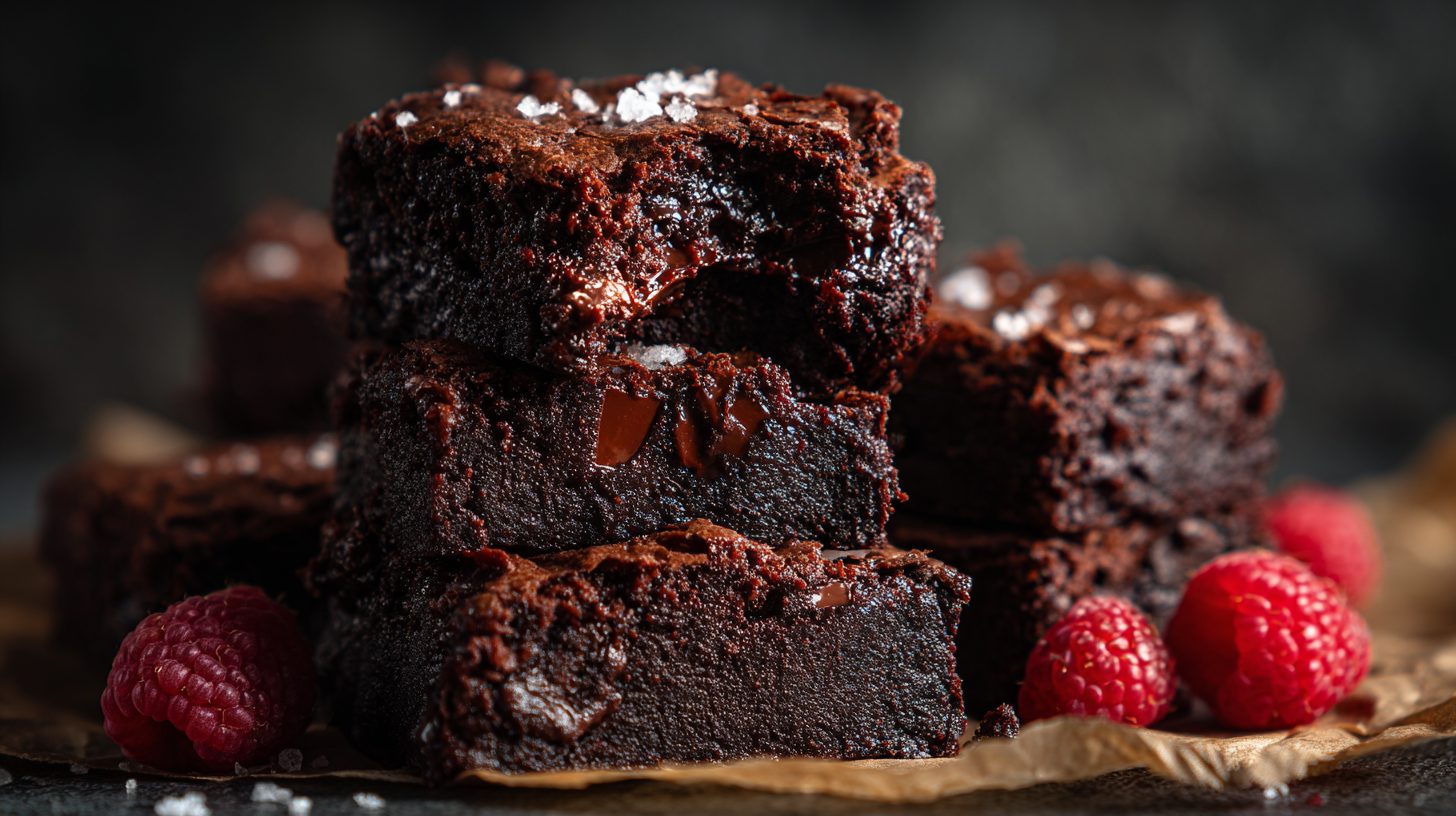
Fudgy Black Bean Brownies (5g Fiber, Flourless)
Ingredients
Method
- Heat the oven to 350°F (175°C) and line an 8×8-inch pan with parchment. Rinse the black beans very thoroughly — this is the single most important step for removing any “bean” taste.
- Add the beans, eggs, melted coconut oil, cocoa, maple syrup, vanilla, baking powder and salt to a blender or food processor. Blend for a full minute until completely smooth — you should not see a single fleck of bean.
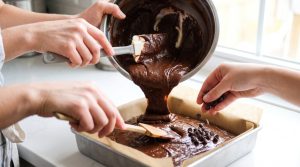
- Stir in half the chocolate chips by hand. Pour the batter into the pan, smooth the top, and scatter the remaining chips over the surface.
- Bake for 22–26 minutes, until the edges are set and a toothpick in the center comes out with a few moist crumbs. Do not overbake — fudgy is the goal.
- Cool completely in the pan before lifting out and slicing. They firm up dramatically as they cool, so patience here pays off. Slice into 12 squares.
Notes
These are the star of our 15 high-fiber desserts. Want the savory beans-for-dinner version of the same trick? Try the creamy white bean skillet or the red lentil dal.
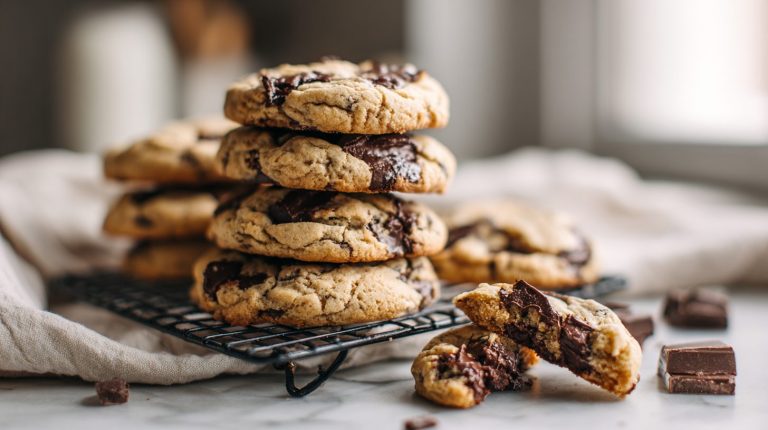
The same trick works with chickpeas: flourless chickpea chocolate chip cookies, at 4.7 grams of fiber each.
Get the free Fibermaxxing Starter Kit
A 7-day plan, 5 tested recipes & a fridge cheat sheet — straight to your inbox.
No spam, just recipes. Unsubscribe anytime.

Emma Hartwell
Emma Hartwell is the home cook and recipe developer behind Fiber & Fork. After years of dealing with sluggish digestion and endless afternoon energy crashes, she rebuilt her kitchen around one simple idea: hit 30 grams of fiber a day without eating a single boring meal. Every recipe on this site is cooked, photographed, and taste-tested in her own kitchen — beans, lentils, whole grains, and vegetables turned into food you'll actually crave. When she's not stirring a pot of something cozy, Emma is testing new ways to sneak fiber into desserts her family can't tell apart from the 'real thing'.